 (610) 510-7825

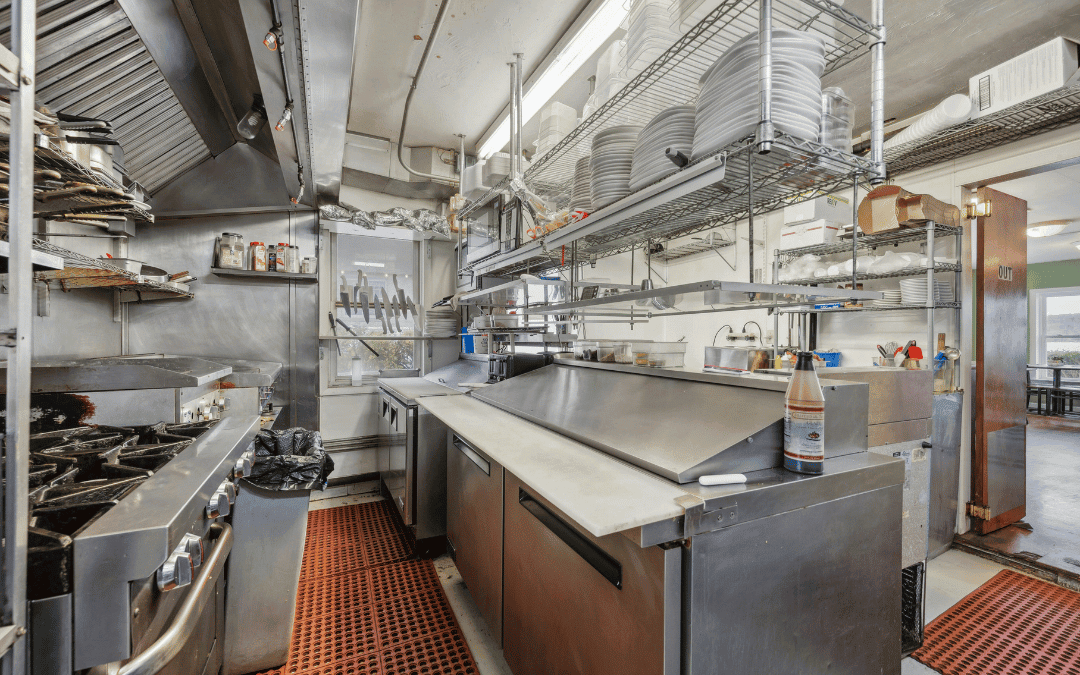
December can be one of the least forgiving months for a commercial kitchen. Holiday parties, catering orders, longer operating hours, and heavier dishwashing loads leave little room for an unexpected drain backup. A grease trap that was adequate during a quieter week may need closer attention before the calendar fills up.
Commercial grease trap cleaning should be part of holiday preparation, not the emergency plan you make after a kitchen backs up. Before the busiest service period, review the interceptor’s cleaning history, confirm that its schedule still fits kitchen volume, and make sure staff know how to recognize early warning signs. For restaurants and food-service facilities in Allentown, Bethlehem, Easton, and the wider Lehigh Valley, those steps can help protect service continuity and reduce avoidable disruptions.
Why holiday volume changes grease trap maintenance needs
Grease traps and interceptors are designed to separate fats, oils, and grease (FOG) and collect solids before wastewater travels into downstream plumbing. Over time, that accumulated material has to be removed. An increase in meal preparation does not automatically mean a failure is coming, but higher dishwashing volume, grease-heavy menu items, and inconsistent scraping practices can cause the trap to fill faster than usual.
The question is whether your regular service cadence still matches actual use. A restaurant that adds weekend brunches, large catering events, or holiday banquets should review its commercial grease trap cleaning and maintenance schedule before peak demand arrives. The right interval depends on the interceptor’s size, accumulation levels, applicable local requirements, and how the kitchen operates.
Start with the last cleaning record, not a guess
Before the first major holiday rush, pull the most recent pumping and inspection records. Confirm when the grease trap was last serviced, whether any problems were documented, and when the next appointment is due. An older record that says only “cleaned” may not tell the whole story. Useful reports should identify the equipment serviced, the condition observed, the waste removed, and any recommended follow-up.
If the kitchen has expanded service hours or increased output, ask the provider whether the existing schedule needs to change. Agentis also explains how to adjust cleaning frequency in its grease trap cleaning frequency guide. A calendar-based interval is a starting point; the level of accumulation and local requirements should guide the final decision.
Check the warning signs before service gets busy
A kitchen rarely gets to choose when a blockage becomes disruptive. During pre-shift walkthroughs, managers should pay attention to slow-draining sinks, persistent odors, gurgling drains, water collecting near floor sinks, and recurring problems at the same fixture. If several drains are affected at once, the issue may extend beyond the grease trap into a shared downstream line.
These signs warrant an assessment rather than another round of quick fixes. Commercial sewer and drain cleaning or camera-based diagnostics may be appropriate when the restriction is in the piping rather than the interceptor itself. Catching that distinction before a sold-out dinner service gives the facility more options.
Make holiday readiness part of the kitchen’s operating routine
A useful pre-holiday checklist is short enough to be used, but specific enough to catch problems. It should cover the condition of the grease-management system, access for service crews, waste-handling practices, and what happens if drainage begins to fail.
- Confirm the service date. Schedule cleaning with enough lead time before major parties or holiday operating periods.
- Review recent trouble spots. Flag slow sinks, floor drains, odors, or recurring backups so the technician knows where to investigate.
- Keep interceptor access clear. Make sure lids, service areas, and access routes are available to the appropriate professionals.
- Reinforce FOG handling. Scrape food solids and collect cooking grease separately instead of washing it down the drain.
- Verify emergency contacts. Keep the plumber’s number, site-access instructions, and decision-maker contacts available for every shift.
- Organize maintenance records. Store invoices, cleaning logs, and inspection notes where managers can retrieve them.
For kitchens operating across several sites, use the same basic checklist at each location, then adapt service intervals to local conditions. The multi-site drain cleaning guide offers a related approach to coordinating recurring work and documentation across properties.
Prepare your staff for a problem without making everyone a plumber
Kitchen staff do not need to diagnose pipe conditions. They do need to know which signs should be reported and which actions could make a blockage worse. A quick shift meeting before a holiday rush can cover how to dispose of grease and scraps, who receives plumbing complaints, and which fixtures should be taken out of service if wastewater begins to back up.
If a trap overflows or wastewater appears around floor drains, stop using affected fixtures, restrict access to contaminated areas, and contact a qualified service provider. Do not rely on chemical drain cleaners as a substitute for professional assessment. Our guide to what to do when a grease trap overflows covers the immediate response in more detail. The holiday-readiness plan should reduce the chance you need that guide during dinner service.
Keep compliance documentation ready for review
Grease-management requirements can differ by municipality, sewer authority, equipment type, and facility. Managers should confirm the applicable inspection, cleaning, and recordkeeping requirements for their location rather than assume that one interval applies everywhere.
For practical purposes, a maintenance file should contain dates of service, provider information, the interceptor serviced, findings or follow-up recommendations, and disposal documentation where required. Consistent records also help teams investigate repeated issues and make a case for adjusting the budget or equipment plan. Agentis’ guide to regular grease trap cleaning and kitchen compliance discusses these operational considerations.
Plan around holiday staffing and access constraints
It is not enough to have a cleaning appointment on the calendar. Consider whether the work requires access through loading areas, an occupied kitchen, or shared tenant spaces. Coordinate a suitable service window, identify who will let the crew in, and make sure a manager can review any unexpected findings. For kitchens in hotels, campuses, medical facilities, or multi-tenant buildings, those details may require coordination beyond the food-service team.
If maintenance reveals damaged baffles, a downstream restriction, or repeated capacity problems, schedule a separate assessment rather than treating pumping as the permanent fix. Preventive maintenance works best when the cleaning record leads to follow-up decisions, not just another invoice.
Keep the focus on service continuity
A dependable grease-management plan protects more than a drain. It gives kitchen teams a clearer schedule, helps facility managers track maintenance, and reduces the odds of a surprise shutdown during a busy period. The objective is to enter holiday service knowing the system has been evaluated and that everyone understands the next step if something changes.
Agentis Plumbing supports commercial kitchens throughout the Lehigh Valley with scheduled grease trap cleaning, maintenance, and commercial drain services. Prepare before peak weeks arrive. Contact Agentis Plumbing to discuss an appropriate service schedule for your kitchen.
Frequently Asked Questions
Should a commercial kitchen schedule grease trap cleaning before the holidays?
If service is approaching, usage is increasing, or warning signs have appeared, a pre-holiday review is sensible. The actual cleaning date should be based on the trap’s condition, service history, and applicable local requirements.
How often should a commercial grease trap be cleaned?
There is no universal interval for every kitchen. Frequency depends on equipment capacity, FOG and solids accumulation, volume, menu, and local sewer-authority requirements. A professional service assessment can help establish or adjust the schedule.
What are early signs that a grease trap needs attention?
Slow sinks, recurring clogs, gurgling, unpleasant odors, and wastewater near floor drains are signs to report. They may indicate a full trap, a downstream blockage, or another plumbing issue that needs inspection.
What records should restaurants keep after grease trap service?
Keep service dates, provider details, the location or identifier of the equipment, inspection findings, waste disposal documentation where required, and any recommended repairs or schedule changes.
Can a clean grease trap prevent every kitchen drain backup?
No. Cleaning addresses accumulated grease and solids in the interceptor, but blockages can also develop in downstream drains or sewer lines. Recurring backups may require additional drain cleaning or camera inspection.