 (610) 510-7825

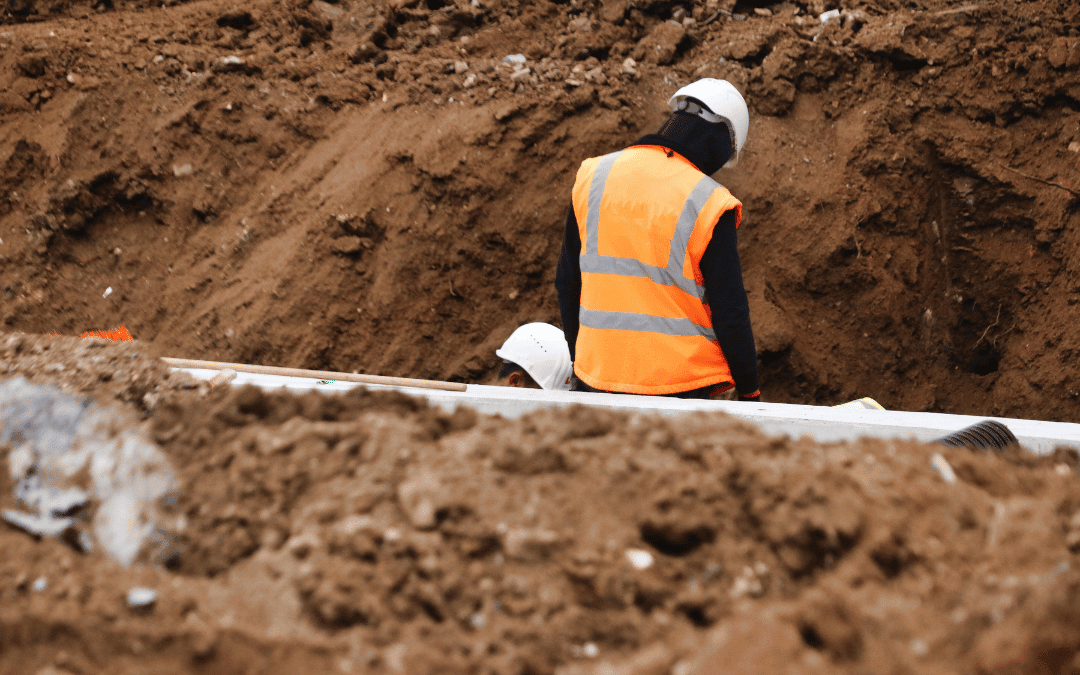
Commercial construction schedules do not become simpler when the calendar turns to January. Underground utilities still have to be identified, trenches have to be opened safely, trades need access to the same work areas, and facilities often need to remain operational throughout the project. Add freezing temperatures, frozen or saturated ground, and uncertain weather windows, and a small planning gap can turn into a costly delay.
For commercial property owners, general contractors, and facility managers in the Lehigh Valley, the best time to plan Q1 plumbing excavation is before the first crew arrives onsite. December is an opportunity to confirm the scope, identify access constraints, coordinate with the other trades, and build a realistic sequence for early-year work.
Define the underground scope before setting the schedule
Plumbing excavation may involve installing or replacing buried water lines, repairing sewer laterals, accessing failed underground pipes, or coordinating stormwater and drainage infrastructure. Each type of project has different access, safety, shutdown, and restoration requirements. The earliest planning conversations should clarify what is being excavated, why the work is needed, and which parts of the site will be affected.
Start with available drawings, prior repair records, known line locations, and any recent diagnostic findings. When the condition of an existing sewer line is uncertain, sewer and manhole inspection can help identify the nature and approximate location of a problem before the team commits to an excavation approach. The aim is to replace assumptions with evidence.
Agentis provides commercial plumbing excavation services for work involving buried piping, drainage, and related site infrastructure in Bethlehem, Allentown, and surrounding communities.
Understand the choices before choosing to dig
Not every damaged line requires the same repair method. Depending on pipe condition and access, cleaning, targeted repair, or commercial pipe lining may be worth evaluating before an open excavation. A collapsed section, severely displaced joint, or line that cannot be repaired internally may require direct access.
The important decision is not “trenchless versus excavation” in the abstract. It is which method is suitable for the actual pipe condition, provides a durable outcome, and fits the property’s operating constraints. Agentis’ article on when digging is necessary and how to reduce disruption explains that diagnostic distinction in greater detail.
Put utility locating and permits on the critical path
Before excavation begins, confirm the required utility notification process, relevant permits, and any coordination with a property owner, municipality, road authority, or utility operator. In Pennsylvania, excavators need to follow the state’s underground utility protection requirements, including the Pennsylvania One Call (811) process. Allow the required notice period and remember that privately owned facilities may require additional locating steps.
Utility marks are only part of the safety picture. Plans may not reflect every change made over a building’s life. The excavation team should review known site conditions, identify uncertainty, and use appropriate verification and safe excavation practices around existing utilities. A project should not be compressed by skipping these steps just because an opening in the construction schedule appears.
Build a site plan that accounts for winter conditions
Cold-season excavation planning needs more than an optimistic start date. Weather can influence ground conditions, hauling and access routes, trench stability, material handling, and the timing of surface restoration. Some projects will proceed without major complications; others may need revised staging or temporary protection measures.
Before finalizing the work window, review where crews and equipment will enter, where excavated material will be staged, what areas must remain open for pedestrians or deliveries, and how disturbed surfaces will be made safe between work shifts. If the facility stays occupied, work-zone boundaries should make sense to tenants, staff, and visitors, not just to the construction crew.
It is also worth discussing how the plan will respond to a weather interruption. A realistic sequence leaves room for inspections, safe backfilling, material deliveries, and any restoration that cannot be completed under current conditions. That discussion is much easier in December than when the trench is open.
Coordinate plumbing excavation with every affected trade
Excavation work often touches several schedules at once. A plumbing crew may need the civil contractor to prepare access, an electrician or utility representative to verify nearby systems, the general contractor to manage traffic, and a paving or concrete team to complete restoration. The right sequence varies by project, but the handoffs should be agreed upon early.
For new construction, tie the excavation plan to underground rough-in, slab work, inspections, and the next trade’s access requirements. In occupied properties, also coordinate maintenance staff, security, tenants, and any operator who depends on the affected water or drain line. Agentis’ guide to evaluating new construction plumbing partners covers scheduling and documentation expectations across the broader building project.
Plan utility shutdowns and business continuity
One of the most consequential questions is whether excavation will interrupt a service the property depends on. A water line connection, sewer replacement, or required tie-in may mean a controlled shutdown. The team should identify which buildings or tenants are affected, estimate the operational impact, and agree on notification and authorization procedures before work begins.
For busy properties, staging can sometimes reduce disruption by isolating the work area, using a planned service window, or sequencing the project around known operating hours. The feasibility of temporary service or partial operations depends on the system and project scope, so it should be evaluated rather than promised.
Make restoration part of the original scope
An excavation estimate that focuses only on the pipe can leave owners surprised by the work needed afterward. The project plan should address backfill, compaction, erosion or drainage controls where relevant, and the repair of pavement, concrete, landscaping, or interior slabs that must be disturbed.
Clarify who is responsible for each phase and what completion looks like. If temporary restoration is required because of weather, define how the site will remain safe until permanent restoration can be completed. A clean handoff includes photos, documentation of the underground work, inspections where applicable, and a clear record of any remaining items.
What to confirm before a Q1 plumbing excavation kickoff
By the time the kickoff meeting arrives, the project team should be able to answer a focused set of questions:
- Scope: Which line or system is affected, and what diagnostic evidence supports the proposed work?
- Utilities: Who is responsible for Pennsylvania One Call notification and any additional private utility locating?
- Approvals: Which permits, inspections, and site permissions must be in place?
- Sequencing: Which trades need access before, during, and after excavation?
- Operations: What shutdowns, deliveries, pedestrian routes, or tenant notifications are required?
- Weather and restoration: How will the team secure the area if conditions change, and who completes surface restoration?
Those questions do not remove every unknown underground. They do create a practical framework for responding when conditions differ from the drawings or the weather changes the schedule.
Get Q1 projects moving with fewer surprises
Successful plumbing excavation is the result of more than digging efficiently. It comes from defining the work correctly, coordinating with the right people, accounting for winter conditions, and planning the restoration before the site is opened.
Agentis Plumbing supports Lehigh Valley contractors, property owners, and facility managers with plumbing excavation, commercial plumbing, and underground system diagnostics. If you’re planning a Q1 2027 project, contact Agentis Plumbing to discuss scope, site access, and next steps before the schedule gets crowded.
Frequently Asked Questions
What is included in commercial plumbing excavation?
The scope may include locating and exposing buried water or sewer lines, repairing or replacing damaged piping, installing new underground plumbing, coordinating inspections, and restoring disturbed surfaces. The exact work depends on the project.
Can plumbing excavation be planned during winter in Pennsylvania?
Yes, but ground conditions, weather, safety requirements, access, inspections, and restoration can affect timing. A project-specific schedule and contingency plan are important.
Do contractors need utility locating before excavating?
Yes. Pennsylvania’s underground utility protection rules require appropriate notification and locating procedures before excavation. Contact Pennsylvania One Call (811) and confirm the applicable notice requirements. Additional steps may be necessary for privately owned utilities.
How can a facility reduce disruption during plumbing excavation?
Start with accurate diagnostics, schedule work around operational constraints, coordinate access and shutdowns, maintain safe pedestrian routes, communicate with occupants, and plan restoration before excavation begins.
Is pipe lining always an alternative to excavation?
No. Pipe lining may be suitable for some structurally sound but damaged lines. Collapsed, severely displaced, or otherwise unsuitable piping may require excavation. Inspection findings should guide the decision.