 (610) 510-7825

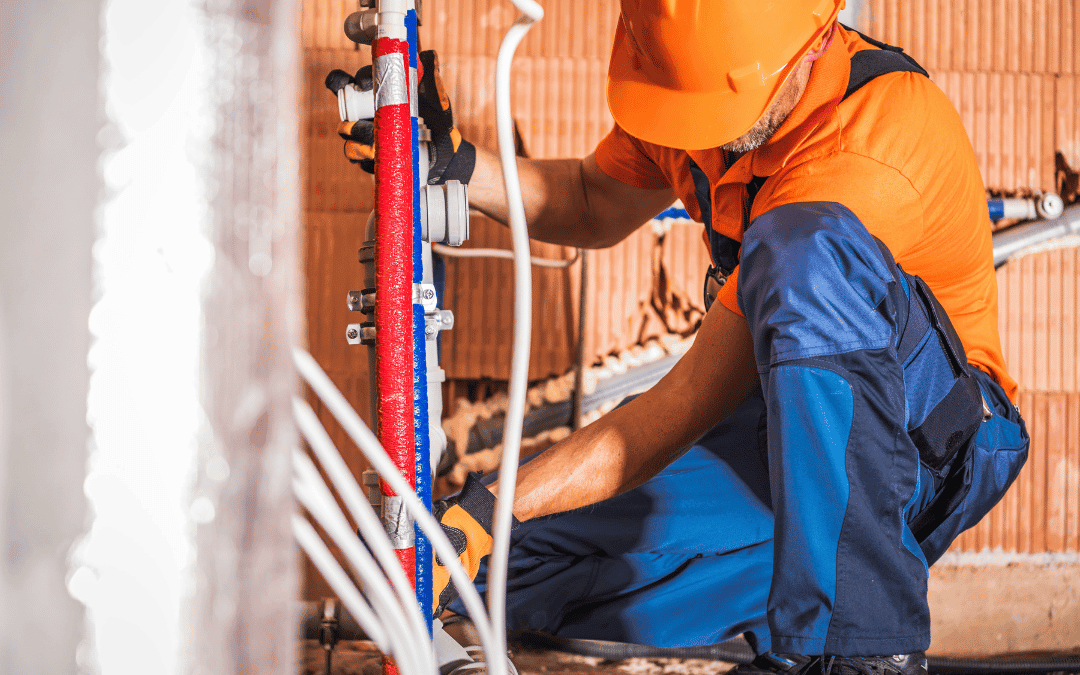
The best time to evaluate a plumbing contractor is before its work becomes a critical path problem. For general contractors, developers, owners, and construction managers, selecting among new construction plumbing companies requires more than comparing bid totals. You need confidence in the team’s relevant experience, site safety, scheduling discipline, coordination, documentation, and ability to close out the job properly.
Start by confirming that the contractor has handled projects like yours. Then ask how it manages design questions, submittals, changes, inspections, and handoff. The answers reveal how a plumbing partner will perform long after the proposal is signed.
Match the Contractor’s Experience to the Project
Experience with small tenant improvements does not automatically translate into experience with a multi-story mixed-use development or an institutional building. Ask for examples similar in size, occupancy, complexity, delivery method, and schedule. Discuss what plumbing systems were included and whether the contractor self-performed the work or coordinated subcontracted scopes.
Look for practical examples of underground piping, domestic water distribution, sanitary and vent systems, fixtures, and coordination with other building systems. A strong new construction plumbing company should explain where previous projects became difficult and how its team resolved those challenges.
Agentis Plumbing’s new construction service covers commercial builds, additions, tenant build-outs, institutional projects, and mixed-use developments across the Lehigh Valley. Use the scope of your own project to guide the conversation rather than assuming every contractor’s capabilities are interchangeable.
Review Safety Credentials and Site Readiness
Before awarding the work, request current licensing information as applicable, insurance certificates, bonding details if required, safety procedures, and any training or site-specific qualifications the project demands. Verify what the owner and construction manager require for worker onboarding, permits, lift work, excavation, confined spaces, and coordination around occupied areas.
Credentials alone do not prove field performance, but they establish whether a contractor is prepared to operate under your project’s requirements. Agentis publishes a credentials and compliance overview describing its licensing, insurance, bonding, safety processes, and documentation practices. Owners should still verify current documents for their specific project.
Ask who supervises the site, how safety concerns are escalated, and how the plumbing team coordinates with other contractors working in shared areas.
Test How the Team Plans Around the Construction Schedule
Plumbing can affect excavation, slab work, framing, inspections, equipment installation, and final finishes. A contractor should be able to explain staffing, material procurement, long-lead items, and the sequence of work in relation to the master schedule.
Discuss how the team plans underground rough-in, above-ground rough-in, pressure testing, fixture installation, and final inspections. Ask who attends coordination meetings, how conflicts are flagged, and how schedule changes are communicated. A reliable partner needs both a workable plan and a process for revising it when site conditions change.
For projects with tight tenant turnover or phased occupancy, ask for a milestone-based approach. The work may need to be broken into areas or phases so other trades can proceed without avoidable rework.
Clarify Submittals RFIs and Change Management Early
Administrative discipline is an important part of construction performance. Before work starts, agree on who prepares plumbing submittals, how equipment and materials are reviewed, who tracks approvals, and how requests for information (RFIs) move between the field, designers, and the general contractor.
Ask whether the contractor maintains logs for submittals, RFIs, material status, and changes. A slow approval can be just as disruptive as a missing part if the team does not flag its schedule impact in time. Set expectations for notice, pricing, and written authorization of changes that affect scope or cost.
Be especially clear about exclusions in the proposal. Utility connections, excavation, equipment, insulation, commissioning support, and permit or inspection responsibilities may be divided differently among trade packages. Resolve those boundaries before they turn into a dispute in the field.
Look for Coordination with Other Trades
Plumbing systems share space with structural members, electrical pathways, ductwork, ceilings, and architectural finishes. Ask how the team checks for conflicts before installation. On a larger project, that might involve model coordination or clash reviews; on a smaller job, coordinated drawings and proactive site meetings may be more appropriate.
Ask the contractor how it documents field changes and who approves penetrations, access locations, and routing revisions. The most valuable answer is not a promise that conflicts never happen. It is a repeatable process for catching and resolving them before they cause costly rework.
Review the contractor’s capabilities in commercial plumbing installation, then compare them with your project’s drawings, specifications, and required trades.
Understand the Quality Control and Inspection Process
A quality plan should explain how the contractor confirms that installed work matches approved documents, applicable code requirements, and project specifications. Ask about rough-in checks, required tests, inspection scheduling, deficiency tracking, and the process for correcting and verifying incomplete work.
Testing and inspection requirements vary by jurisdiction, system, and project. Rather than relying on a generic promise of “code-compliant work,” have the contractor identify who is responsible for arranging inspections, keeping results, and reporting issues that could affect occupancy or turnover.
If the build includes complex drainage infrastructure, review how the project will assess downstream tie-ins or existing systems. Agentis also provides sewer and manhole inspection services that may help when existing sewer conditions are part of a commercial project.
Ask for a Detailed Closeout Plan
Construction is not complete when the last fixture is connected. Owners and facility managers need documentation they can use after turnover. Ask the contractor what its closeout package includes, when it will be delivered, and who resolves remaining punch-list items.
Depending on the contract, the package may include as-built or record drawings, test and inspection records, equipment information, operation and maintenance materials, warranty information, spare parts, and training or system orientation. Agree on the exact deliverables in the contract rather than assuming they are standard.
Good closeout reduces the frustration of a facilities team inheriting systems without knowing how they were installed, tested, or maintained.
Compare Bids for Clarity Not Just Lowest Price
A plumbing bid is useful only when you understand its assumptions. Before making a final decision, compare inclusion lists, exclusions, alternates, allowances, schedule commitments, manpower assumptions, material lead times, and payment or change-order terms. If two bids differ significantly, ask each bidder to walk through the same scope line by line.
References should be relevant to the type of project you are planning. Ask previous general contractors or owners whether the plumbing team communicated early, met milestones, documented changes, worked safely, and completed closeout without prolonged follow-up.
For a more complete view of scope and service support, review a contractor’s commercial plumbing capabilities alongside its construction-specific proposal.
Questions to Ask Before Awarding a Plumbing Contract
Use a focused interview to compare finalists on the same criteria:
- Which comparable projects have you completed, and who can provide a reference?
- Who will manage field operations, scheduling, submittals, and RFIs?
- What safety documentation and project-specific credentials can you provide?
- Which scope items, tie-ins, permits, tests, and inspections are included or excluded?
- How will you document changes, resolve trade conflicts, and deliver closeout materials?
Look for concrete examples and clear owners for each responsibility. A detailed answer today is usually more useful than a reassuring but vague promise.
Discuss Your Next Lehigh Valley Build with Agentis Plumbing
The right plumbing construction partner brings technical capability and dependable project management together. Agentis Plumbing supports commercial construction, tenant improvements, and institutional projects in Bethlehem, Allentown, and the surrounding Lehigh Valley. If you are evaluating new construction plumbing companies near me, start with the scope, schedule, and documentation standards your build requires.
Planning a commercial build or renovation? Contact Agentis Plumbing to discuss project requirements, construction timing, and plumbing installation needs.
Frequently Asked Questions
What should I ask new construction plumbing companies before hiring?
Ask for comparable projects, current credentials, a named project lead, schedule and staffing assumptions, submittal procedures, change-order controls, inspection responsibilities, and a closeout plan.
How is new construction plumbing different from plumbing repair?
New construction plumbing must be sequenced with design, other trades, permits, inspections, and turnover milestones. It typically involves more advance planning and project documentation than a repair visit.
What are plumbing submittals and RFIs?
Submittals give the project team information about proposed products and systems for review. RFIs are formal questions used to clarify documents or resolve conflicts before work proceeds.
What documents should a plumbing contractor provide at closeout?
Requirements depend on the contract, but may include record drawings, inspection and test results, equipment documentation, warranty information, maintenance instructions, and punch-list completion records.
Does Agentis Plumbing handle commercial new construction in the Lehigh Valley?
Yes. Agentis Plumbing offers new construction plumbing for commercial buildings, tenant build-outs, additions, and institutional projects in the Lehigh Valley. Discuss your project’s specific scope and availability directly with the team.