 (610) 510-7825

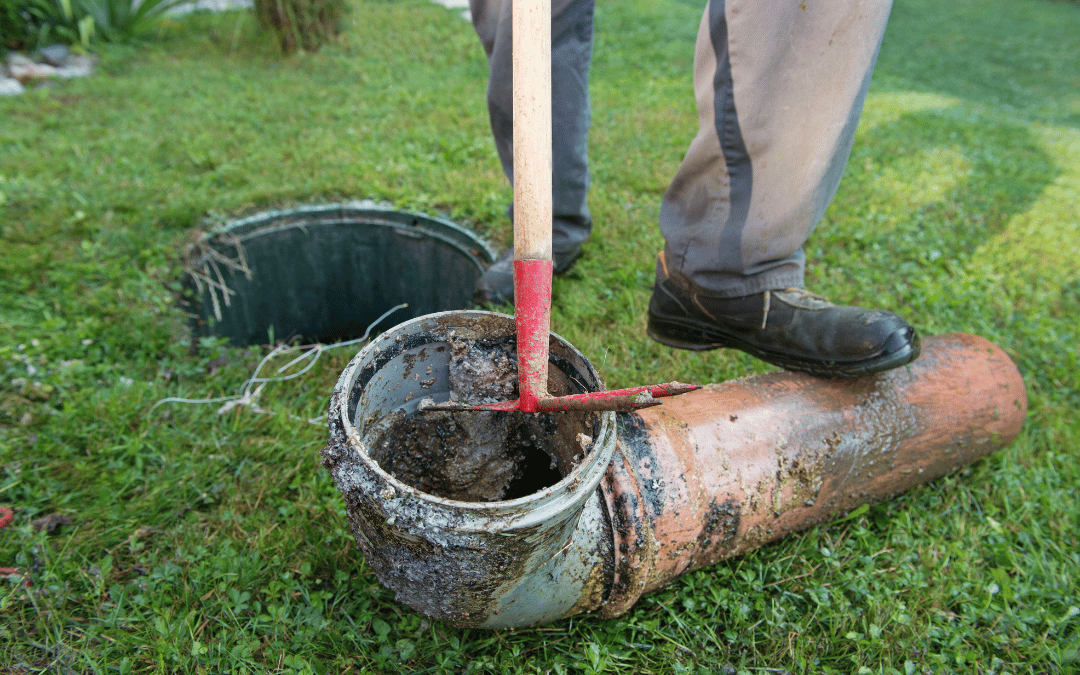
If you manage several buildings, choosing a commercial drain cleaning provider is about more than finding the nearest truck. You need a team that can cover your locations, diagnose recurring problems, respond when a drain failure threatens operations, and give you consistent records after each visit.
When you search for commercial drain cleaning near me, start with service coverage and the specific work your facilities need. Then compare response procedures, inspection capabilities, reporting, and preventive maintenance options. These criteria help property managers avoid selecting a provider on price alone, only to discover gaps when the second or third property needs service.
Confirm Coverage for Every Facility You Manage
“Near me” means something different when you oversee one restaurant versus a portfolio of offices, retail sites, schools, or mixed-use buildings. A company might serve your headquarters but not a warehouse across the county. Before requesting a proposal, provide a location list and ask which addresses fall inside the provider’s regular service area.
For portfolios in the Lehigh Valley, confirm whether the provider serves your specific properties in Allentown, Bethlehem, Easton, and nearby communities. Discuss who dispatches technicians, how multiple requests are prioritized, and whether one point of contact can coordinate appointments. Agentis Plumbing’s commercial plumbing services support a range of businesses and facilities across the region, including drain and sewer work.
If your portfolio stretches beyond the provider’s normal geography, ask that question up front. A clear coverage map is more useful than a vague promise to “handle all locations.”
Match the Service Scope to Your Actual Drain Problems
Not every slow drain needs the same equipment or process. A blocked restroom branch, grease-filled kitchen line, obstructed building main, and stormwater catch basin each require a different assessment. Ask prospective companies what their commercial sewer and drain cleaning services include and when they recommend each method.
A commercial provider may use augering or snaking for a localized stoppage, hydro-jetting for appropriate buildup, and video inspection when the cause or line condition is uncertain. The right method depends on pipe material, condition, access, and what is blocking the line. Equipment availability matters, but sound diagnosis matters more.
For restaurants and food service properties, ask how the team coordinates drain service with grease trap cleaning and maintenance. Treating a kitchen line and its grease interceptor as unrelated systems can leave the source of repeat problems unresolved.
Ask How the Company Finds Recurring Causes
Clearing a blockage restores flow, but that does not always explain why it happened. When one location repeatedly calls for drain cleaning, a qualified provider should be able to discuss whether additional diagnostics are warranted. Possible causes include grease, scale, roots, foreign objects, misaligned joints, or damaged pipe.
Sewer and manhole inspection or a pipe camera inspection can help identify conditions that cleaning alone will not correct. Ask whether you will receive video findings, the location of defects, and a clear explanation of next steps. A provider should also be willing to say when more work is not yet justified.
This distinction is important across a portfolio. If a drain blocks three times in six months, you need to know whether the maintenance interval is wrong or the line itself requires repair.
Set Expectations for Emergency Response and Communication
A sewer backup at an occupied healthcare facility may deserve a different priority from a slow utility sink at an empty warehouse. Ask how urgent calls are triaged, how after-hours requests are handled, and how your team receives updates. A service company offering emergency drain cleaning should still clarify its dispatch process and actual service coverage for each location.
Build these points into your discussions before an emergency:
- Who is authorized to request and approve after-hours work?
- How are critical sites and tenant-impacting incidents prioritized?
- Who communicates arrival windows, findings, and job status?
- What happens if the work requires follow-up repair or a return visit?
Do not assume an advertised 24/7 number equals a guaranteed arrival time. Agree on measurable response expectations, escalation contacts, and any exclusions in writing.
Require Service Records You Can Actually Use
Consistency is a major reason to choose one coordinated provider for several properties. Without usable service records, each new call begins from zero. Ask for a report that identifies the property, fixture or line, reason for the call, work performed, equipment used where relevant, and any observed concerns.
For recurring conditions, request photos or inspection video when available, recommendations ranked by urgency, and a record of whether full flow was restored. Your facilities team should be able to compare issues across sites and spot the same problem before it becomes another emergency.
Useful documentation also helps with tenant communication, maintenance budgets, vendor review, and handoffs between property managers. Agentis discusses these expectations in its guide to property management plumbing service standards.
Build a Preventive Plan Around Risk Not a One-Size-Fits-All Calendar
Preventive cleaning is valuable when its frequency matches the building’s actual use and history. A high-volume commercial kitchen, a busy medical office, and a low-occupancy warehouse should not automatically receive the same schedule. Review past stoppages, line age, occupancy, grease load, and the consequences of downtime.
Ask the provider to help identify high-risk lines, inspect recurring trouble spots, and recommend service intervals that can be adjusted based on findings. A sensible plan may combine scheduled cleaning with periodic camera inspection for locations with chronic issues. It should also define when a recurring blockage triggers a repair discussion rather than another routine cleaning visit.
For seasonal planning, Agentis has additional guidance on pre-winter sewer inspection for commercial facilities. The goal is fewer unplanned interruptions and better information, not simply more maintenance visits.
Compare Commercial Drain Cleaning Proposals on the Same Basis
When comparing a commercial drain cleaning company, look beyond the advertised price. Ask each candidate to quote or explain the same assumptions: sites covered, normal hours, emergency work, diagnostics, camera inspection, hydro-jetting where appropriate, access requirements, disposal, reporting, and follow-up repairs.
Pay attention to who approves extra work. Ask how estimates change if a line is inaccessible or if cleaning reveals a damaged pipe. A transparent proposal separates the immediate cleaning task from optional diagnostics and any repair scope that requires new authorization.
Before selecting a provider, request a sample service report and discuss a pilot visit at a representative property. It gives you a practical way to evaluate communication, documentation, and the quality of recommendations before expanding service across a portfolio.
Choose a Local Partner for Your Lehigh Valley Facilities
The right provider should make drain maintenance easier to coordinate across properties and give your team a clearer view of risk. If you manage multiple facilities in the Lehigh Valley, Agentis Plumbing provides commercial drain and sewer cleaning, camera-based diagnostics, emergency service, and commercial plumbing support.
Need a commercial drain cleaning plan for several properties? Contact Agentis Plumbing to discuss your locations, current drain problems, and preventive maintenance priorities.
Frequently Asked Questions
What should I look for in commercial drain cleaning near me?
Confirm that the provider serves every relevant location, handles your types of drains and sewer lines, explains its diagnostic methods, offers a clear emergency process, and supplies useful records after each visit.
Is commercial drain cleaning different from residential drain cleaning?
Commercial properties often have higher usage, more complex access, multiple tenants, specialized fixtures, and greater downtime consequences. Service plans need to reflect those operational demands.
Should multi-site facilities use one drain cleaning provider?
A single regional provider can simplify contacts, recordkeeping, and maintenance standards when it has the capacity and geographic coverage to serve every site. Verify service limits and escalation procedures before consolidating vendors.
When should we request a sewer camera inspection?
Consider inspection when stoppages recur, several fixtures back up, cleaning does not solve the problem, or the facility needs to understand possible pipe damage before choosing a repair.
Does Agentis Plumbing serve commercial facilities in the Lehigh Valley?
Yes. Agentis Plumbing offers commercial drain and sewer cleaning and related plumbing services to businesses and facilities in Allentown, Bethlehem, and the surrounding Lehigh Valley. Confirm coverage for each of your properties when scheduling.