 (610) 510-7825
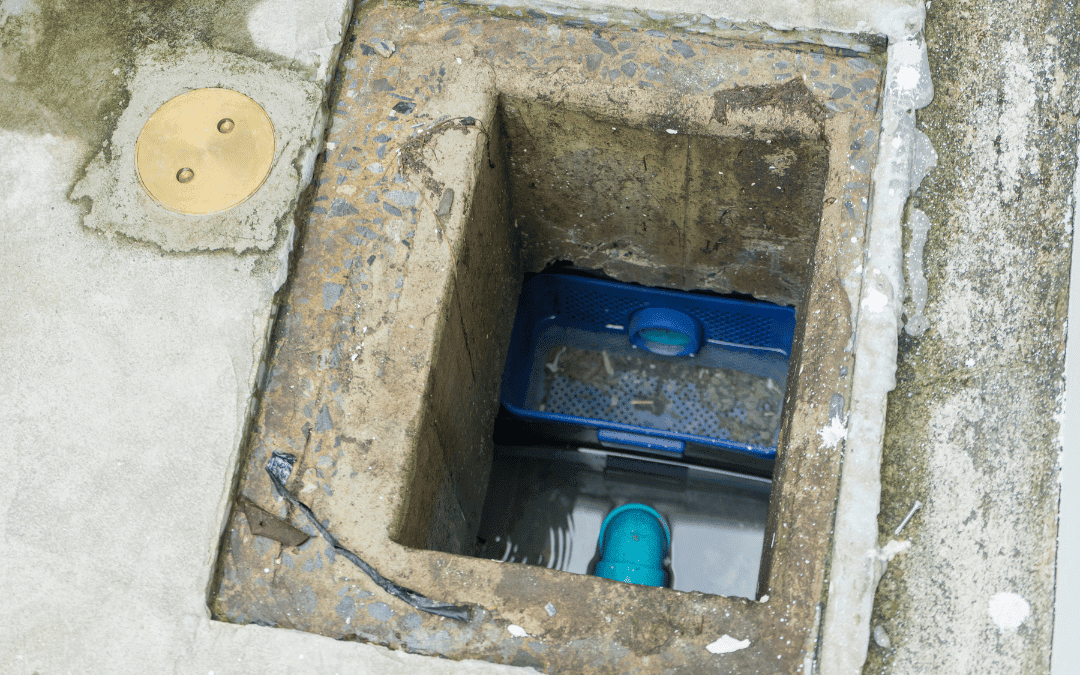
A grease trap problem never happens at a convenient time. It happens during the rush, with a full kitchen, staff stressed, customers waiting, and that one smell that makes everyone look at each other like, “Please tell me that’s not us.”
The truth is that most grease trap emergencies are avoidable. They usually come from the same pattern: service gets delayed, grease and solids build up, flow becomes unpredictable, and the system finally fails when demand is highest.
This guide explains the difference between emergency and routine grease trap cleaning services, why waiting is risky, and how restaurants can reduce surprise overflows and closures.
Routine service is prevention. Emergency service is damage control.
Routine grease trap cleaning is scheduled maintenance designed to keep the system operating normally. It is predictable, typically faster, and easier to plan around kitchen hours.
Emergency grease trap cleaning happens when something has already gone wrong, such as:
- A backup into sinks or floor drains
- Strong, persistent odors that suddenly spike
- Drains slowing down across the kitchen
- Overflow or leakage around the trap
- An inspection issue that must be corrected immediately
The biggest difference is not just timing. It is cost and operational impact. Emergency service tends to be more expensive, more disruptive, and more stressful for everyone.
Why waiting too long creates real business risk
Restaurants often try to stretch the interval “just one more week.” The problem is that grease traps do not fail gently. When they cross the point where they can no longer separate FOG effectively, grease moves downstream into drain lines, and that is where emergencies are born.
The risks of waiting include:
- Backup events that shut down dishwashing and prep
- Odors that impact guest experience and staff comfort
- Overflow that creates slip hazards and sanitation issues
- Emergency drain cleaning costs in addition to trap service
- Possible inspection complications depending on local requirements
If your restaurant depends on predictable plumbing to stay open, routine service is the cheaper option almost every time.
What causes grease trap overflows and “sudden” backups
Most overflows are not sudden. They are the end of a build-up process.
Common drivers include:
- High-volume frying and greasy menu items
- Poor scraping habits and food solids entering drains
- Inconsistent staff training across shifts
- Trap size that is too small for actual kitchen demand
- Skipping service because “it seems fine”
- Seasonal spikes in volume
A trap that looks “fine” from the outside can still be near capacity internally.
A practical way to avoid emergencies: build a service rhythm
Restaurants do best when grease trap service is treated like a routine operational rhythm, similar to hood cleaning or pest control. The schedule should be based on real accumulation, not vibes.
A simple approach:
- Start with a baseline schedule based on kitchen volume
- Inspect and adjust based on grease and solids accumulation
- Keep records so managers can track patterns
- Pair service planning with busy seasons rather than reacting during them
If you have recurring issues, the right move is often to shorten intervals temporarily until stability improves.
What to do when an emergency is already happening
If you suspect an overflow or major backup, the priority is safety and containment.
Steps that usually help:
- Stop using affected sinks and drains immediately
- Keep staff away from overflow areas to reduce slip risk
- Do not dump chemicals into the system (can worsen the problem and create safety hazards)
- Call a commercial plumber who can assess both the trap and the downstream drain lines
Emergency grease trap situations often involve the drain system too, not only the trap itself.
Restaurant uptime: what routine grease trap cleaning protects
Routine grease trap cleaning services protect more than plumbing. They protect operations.
When service is consistent, restaurants typically see:
- Fewer unexpected clogs and slow drains
- Less odor and fewer sanitation complaints
- More predictable kitchen operations during rush periods
- Lower emergency call volume
- Less downstream grease buildup that leads to costly jetting
That is why maintenance is not just “maintenance.” It is uptime planning.
Why restaurants choose Agentis Plumbing for grease trap cleaning services
Agentis Plumbing supports restaurants and commercial kitchens across Lehigh Valley, PA with grease trap cleaning services designed to reduce emergencies and keep operations stable. We help restaurant teams understand realistic service frequency, avoid overflows, and prevent the downstream problems that cause shutdowns.
Schedule routine grease trap cleaning and avoid surprise closures
If your restaurant has been stretching service intervals, noticing slow drains, or dealing with odors, it is a good time to get ahead of the problem.
Contact Agentis Plumbing to schedule grease trap cleaning services and build a routine plan that protects your kitchen, your staff, and your ability to stay open when it matters most.