 (610) 510-7825
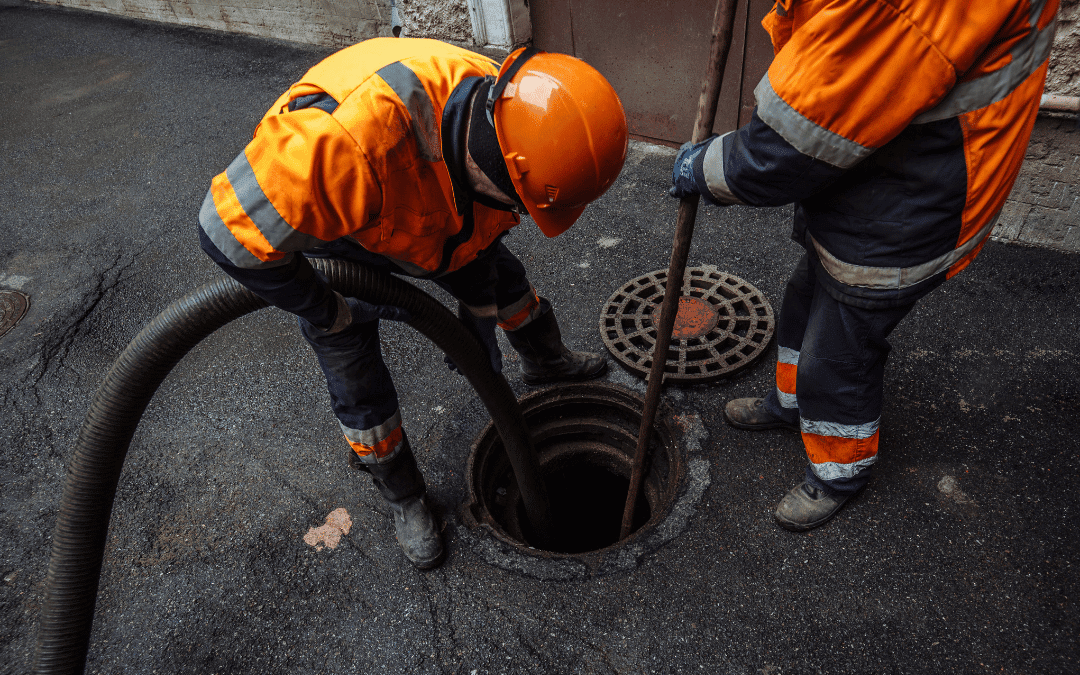
Summer can be tough on commercial plumbing systems. Heavy rain, higher occupancy, increased restroom use, landscaping runoff, and food service demand can all put extra pressure on drains and sewer lines. For property managers and facility teams, that pressure often shows up in the worst way: slow drains, backups, foul odors, standing water, or emergency calls during peak business hours.
Commercial drain cleaning is not just a response to a clog. It is a preventive maintenance strategy that helps facilities reduce disruptions, protect tenants and customers, and avoid costly downtime during high-use seasons.
For commercial properties in Allentown, Bethlehem, Easton, and throughout the Lehigh Valley, summer is a smart time to review drainage performance, inspect vulnerable lines, and build a maintenance plan before small issues turn into operational headaches.
Why summer increases drain and sewer risk
Commercial drainage systems handle a lot more than people realize. In high-traffic facilities, drains support restrooms, kitchens, utility areas, floor drains, stormwater runoff, and sometimes multiple tenants with different usage patterns.
During summer, that demand can increase quickly. Restaurants and event spaces may see more foot traffic. Retail centers and offices may deal with heavier restroom use. Storms can overwhelm exterior drains, parking lot drainage, and low-lying areas. Landscaping activity can send debris into drains. Older properties may already have buildup inside sewer lines that becomes a bigger problem when water volume increases.
The issue is not always one major blockage. In many cases, it is a combination of buildup, debris, grease, sediment, root intrusion, or aging infrastructure that slowly reduces capacity. When a heavy storm or busy weekend hits, the system no longer has the margin it needs.
What a preventive commercial drain cleaning plan should include
A strong drain maintenance plan starts with visibility. Facility teams need to know which drains and sewer lines are most important, which areas have a history of problems, and which systems would create the biggest disruption if they failed.
That plan should include regular inspection of high-risk drain areas, including floor drains, restroom lines, kitchen drains, loading dock drains, parking lot drains, and main sewer lines. The goal is to catch warning signs before they escalate.
Common warning signs include slow drainage, recurring odors, gurgling sounds, standing water near drains, frequent plunging, or repeat service calls in the same area. None of these should be treated as “normal.” They are usually early signals that the system needs attention.
Professional commercial drain cleaning can help remove buildup and restore better flow, especially in systems that see heavy use. In larger or recurring problem areas, camera inspection may also be helpful because it allows the plumbing team to identify the real cause of the problem instead of guessing.
What facility teams should log
Good maintenance is easier when the history is clear. A simple drain maintenance log can help property managers spot patterns and make better decisions.
At a minimum, facility teams should track:
- Date and location of any drain issue
- Type of issue, such as slow drain, odor, backup, or standing water
- Area affected, including tenant space, restroom, kitchen, exterior drain, or utility room
- Action taken
- Whether the issue has happened before
- Recommendations for follow-up
This documentation matters because recurring drain issues are often not isolated problems. If the same restroom backs up every few months, or the same exterior drain floods after every storm, the property may need more than a quick cleaning. It may need a deeper inspection, a different cleaning cadence, or a capital improvement plan.
When to schedule commercial drain cleaning
There is no one-size-fits-all schedule. The right cadence depends on property type, system age, usage level, and history of issues.
High-traffic commercial properties may benefit from scheduled drain maintenance before the busiest parts of the year. Restaurants, campuses, medical facilities, multi-tenant buildings, event venues, industrial facilities, and retail centers often need more proactive attention than smaller or lower-use buildings.
A good rule of thumb is to review drain and sewer maintenance after winter and before heavy summer storms. That gives facility teams a chance to catch buildup, damage, or slow-flow conditions before the system is under peak pressure.
For properties with recurring issues, waiting until a backup occurs is usually the expensive path. A planned maintenance visit is easier to schedule, easier to budget, and less disruptive than an emergency call.
Why storm season changes the equation
Storms expose weak drainage systems quickly. A drain that performs “well enough” during normal weather may fail when rainwater, debris, and runoff hit at the same time.
Exterior drains, parking lot drains, loading dock drains, and low-elevation floor drains deserve extra attention before storm-heavy periods. If they are already partially restricted, a sudden storm can create pooling, flooding, slip hazards, and water intrusion risks.
Commercial sewer cleaning and drain maintenance can help improve system performance, but storm readiness also depends on inspection and planning. Facility teams should know where water tends to collect, which drains are most critical, and who to call if water starts backing up after hours.
The value of working with a commercial drain cleaning company
Commercial properties need more than a basic clog response. They need a plumbing partner that understands uptime, access coordination, documentation, tenant communication, and emergency response.
A professional commercial drain cleaning company can help facility teams move from reactive calls to preventive maintenance. That means identifying recurring issues, recommending appropriate service intervals, documenting findings, and helping teams plan ahead.
This is especially important for properties where downtime affects revenue, safety, or tenant satisfaction. Drain failures are not just plumbing problems. They can become operational problems fast.
Protect your property before the next backup
Commercial drain cleaning is one of the most practical ways to reduce summer plumbing risk. By inspecting high-use areas, cleaning vulnerable lines, logging issues, and planning around storm season, facility teams can prevent avoidable backups and keep operations moving.
Agentis Plumbing helps commercial properties across the Lehigh Valley with drain cleaning, commercial sewer cleaning, inspections, and emergency plumbing support.
Need help preparing your property for summer storms and heavy use? Contact Agentis Plumbing to schedule commercial drain cleaning or discuss a preventive maintenance plan.
FAQs
How often should commercial drains be cleaned?
It depends on the type of property, usage level, and history of drain problems. High-traffic buildings, restaurants, campuses, and facilities with recurring backups may need scheduled cleaning more often than lower-use properties.
What are signs a commercial drain needs cleaning?
Common signs include slow drains, recurring odors, gurgling sounds, standing water, frequent clogs, and repeat backups in the same area.
Is commercial sewer cleaning different from drain cleaning?
Yes. Drain cleaning often focuses on specific fixtures or branch lines, while commercial sewer cleaning may involve larger sewer lines or main lines that serve the property.
Should commercial drains be inspected before storm season?
Yes. Storm season can expose drainage problems quickly, especially in exterior drains, loading docks, parking lots, and low-lying areas.
Does Agentis Plumbing offer emergency commercial drain cleaning?
Yes. Agentis Plumbing provides commercial plumbing and emergency service support for properties across Allentown, Bethlehem, Easton, and the surrounding Lehigh Valley.