 (610) 510-7825
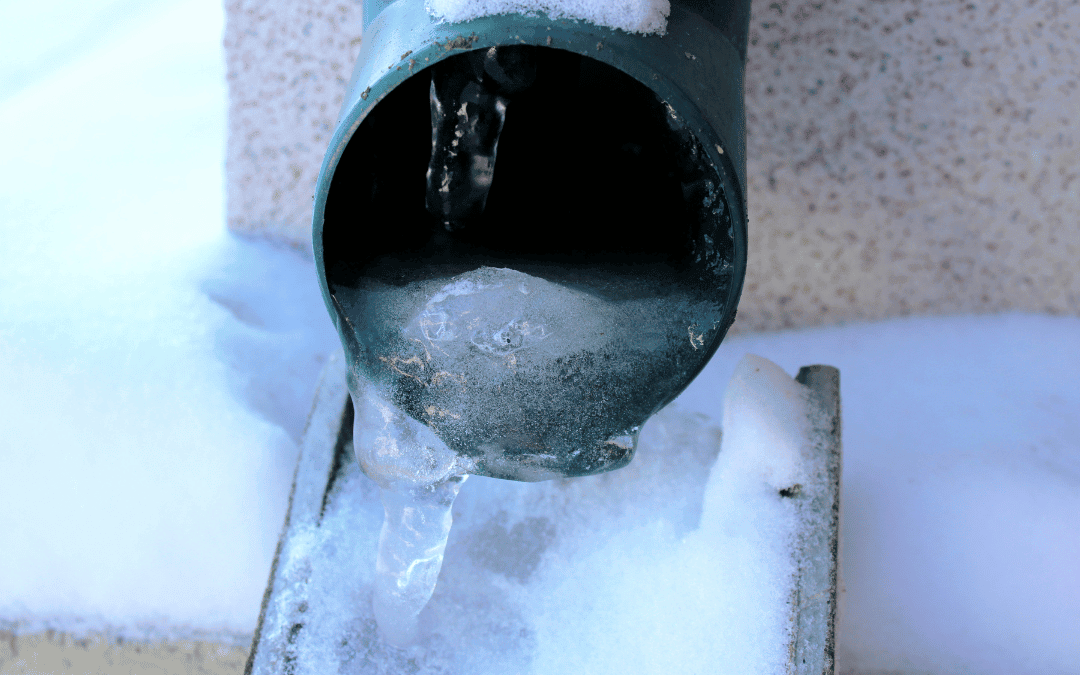
The best time to inspect a sewer or drain line is before freezing weather exposes the problem the hard way. Fall is a practical window for commercial properties, restaurants, campuses, municipalities, and property managers to use a video pipe inspection camera to identify blockages, root intrusion, pipe damage, and buildup before winter increases the risk of backups and emergency calls.
A pipe that is partially blocked in October can become a major disruption in January. Cold weather does not create every sewer or drain problem, but it makes existing problems less forgiving.
That is why proactive inspection beats waiting for a backup.
What a video pipe inspection camera does
A video pipe inspection camera allows a plumbing team to see inside sewer and drain lines without digging first. The camera can help identify conditions that are hidden from the surface, including buildup, breaks, corrosion, root intrusion, bellies, offsets, and obstructions.
Agentis Plumbing provides sewer camera inspection services for sewer and manhole systems, helping locate blockages, structural issues, and hidden problems.
For homeowners, Agentis also has a residential video camera inspection service page focused on finding the real cause of recurring drain and sewer issues.
Why fall is the right time to inspect
Fall gives property teams time to act before freezing weather complicates access, scheduling, and repairs. Once winter hits, small problems can become harder to manage. Snow, ice, frozen ground, holiday schedules, tenant operations, and after-hours emergencies all make response more difficult.
A fall inspection gives you time to:
- Identify risks before cold weather
- Schedule cleaning or repairs during better conditions
- Plan around tenants or business operations
- Budget for needed work
- Avoid rushed emergency decisions
- Document system condition before winter
It is not glamorous, but neither is discovering a sewer backup during a freeze. Plumbing has a dramatic streak. Don’t feed it.
What inspections can reveal before winter
A pipe video inspection camera can show issues that may not be obvious until a line backs up.
Common findings include:
- Grease buildup
- Scale or sediment
- Root intrusion
- Cracked pipe
- Corrosion or wear
- Misaligned joints
- Bellies or low spots
- Partial collapses
- Foreign objects
- Repeated blockage points
- Poor flow conditions
These findings help property teams decide whether the next step is cleaning, repair, lining, excavation, or monitoring.
How inspection results guide repairs
A good inspection should lead to a practical decision, not just a video file that dies in someone’s inbox like a little digital ghost.
If the camera shows buildup, grease, debris, or partial blockage, commercial sewer and drain cleaning may be the right next step. Agentis Plumbing’s commercial sewer and drain cleaning page notes that camera inspections can help detect root intrusion, blockages, or structural issues before they become major problems.
If the line has repeated defects or damage but does not require a full dig-up replacement, pipe lining may be worth evaluating. If there is a collapsed section or serious underground failure, excavation may be necessary.
The point is not to overreact. It is to match the repair to the actual condition of the pipe.
Which properties should schedule pre-winter video inspection
Pre-winter plumbing video inspection is especially useful for properties where a backup would cause downtime, sanitation issues, tenant disruption, or emergency expense.
That includes:
- Restaurants and commercial kitchens
- Schools and campuses
- Healthcare and senior living facilities
- Municipal facilities
- Multi-tenant commercial buildings
- Retail centers
- Industrial properties
- Apartment communities
- Event venues
- Properties with older sewer lines
- Sites with recurring drain or sewer complaints
If a property has a history of backups, slow drains, sewer odors, or emergency drain calls, fall inspection is not overkill. It is common sense with a flashlight and a camera.
What to document from the inspection
Documentation turns inspection into a planning tool. After a plumbing video inspection, facility teams should keep a record that includes:
- Date of inspection
- Access point used
- Line or system inspected
- Video or images
- Distance/location of findings
- Description of defects or restrictions
- Severity of the issue
- Recommended next step
- Whether cleaning, repair, lining, or excavation is advised
- Priority level before winter
This documentation helps with budgeting, maintenance planning, and capital improvement conversations. It also protects institutional memory when staff or vendors change.
Why proactive inspection beats emergency calls
Emergency plumbing calls usually come with compressed timelines and limited options. When a sewer line backs up during freezing weather, the goal becomes immediate recovery. That can mean after-hours coordination, tenant communication, cleanup, downtime, and urgent repair decisions.
A proactive inspection gives property teams more control. Planned work is easier to schedule, easier to communicate, and easier to budget. It also reduces the chance of secondary damage caused by backups or overflows.
If inspection finds nothing urgent, great. You have documentation and peace of mind. If inspection finds a problem, also great. You found it before it ruined everyone’s Tuesday.
Connect inspection to fall maintenance
Video pipe inspection works best as part of a larger fall maintenance plan. It should connect to drain cleaning, grease trap maintenance, sewer inspection, water heater planning, and winter readiness.
For example:
- Restaurants may combine grease trap maintenance with drain inspection
- Property managers may review sewer lines with recurring tenant complaints
- Campuses may inspect high-use lines before winter break
- Commercial facilities may inspect older lines before freeze risk increases
- Municipal or infrastructure sites may use inspections to prioritize repairs
The inspection is the information-gathering step. The maintenance plan is where the value shows up.
Schedule inspection before winter pressure hits
A video pipe inspection camera gives property teams visibility before freezing weather turns existing issues into emergencies. By inspecting in fall, you can identify hidden problems, plan cleaning or repair, document system health, and reduce the risk of winter backups.
Agentis Plumbing provides sewer camera inspection, plumbing video inspection, sewer and drain cleaning, and commercial plumbing support for properties across the Lehigh Valley.
Need to check a sewer or drain line before winter? Contact Agentis Plumbing to schedule a video pipe inspection camera service and plan the right next step before freezing weather hits.
FAQs
What is a video pipe inspection camera?
A video pipe inspection camera is a plumbing diagnostic tool used to see inside sewer and drain lines. It helps identify blockages, root intrusion, pipe damage, buildup, and other hidden issues.
When is the best time for plumbing video inspection?
Fall is a smart time to schedule plumbing video inspection because it gives property teams time to clean, repair, or plan work before freezing weather increases emergency risk.
What can a pipe video inspection camera find?
It can help identify grease buildup, sediment, roots, cracks, corrosion, broken pipe sections, bellies, misaligned joints, collapsed areas, and recurring blockage points.
Is video inspection useful before sewer cleaning?
Yes. Video inspection helps identify what is happening inside the line and can guide whether sewer cleaning, lining, repair, excavation, or monitoring is the best next step.
Does Agentis Plumbing provide video pipe inspection?
Yes. Agentis Plumbing provides sewer camera inspection, plumbing video inspection, commercial sewer and drain cleaning, and related plumbing services across the Lehigh Valley.