 (610) 510-7825
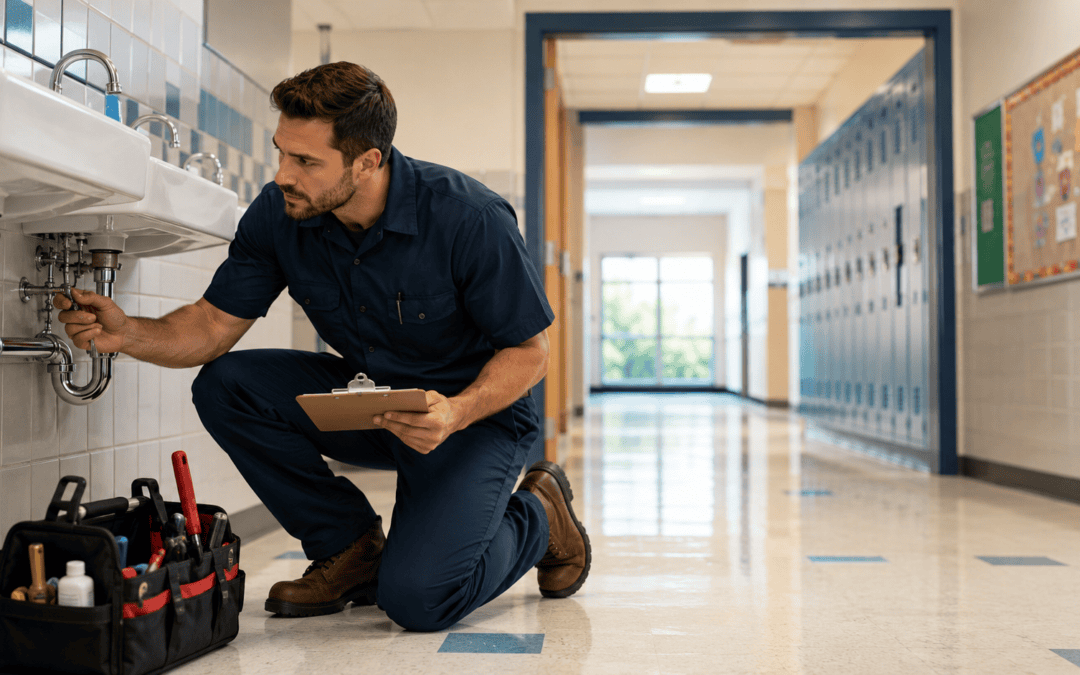
Back-to-school season changes how a building is used almost overnight. Classrooms fill up, restrooms see heavier traffic, kitchens and cafeterias return to full operation, and facilities that were relatively quiet during summer suddenly have hundreds or thousands of people relying on the plumbing system every day. For schools, campuses, multi-tenant properties, and commercial facilities across the Lehigh Valley, that makes late summer an important time to catch small plumbing issues before they turn into disruptive emergencies.
A practical maintenance plan does not have to mean replacing everything that looks old. The goal is to identify warning signs, confirm the condition of critical systems, and make sure your team knows who to call when something cannot wait. Agentis Plumbing provides commercial plumbing services for facilities throughout Bethlehem, Allentown, and the surrounding Lehigh Valley, including preventive maintenance, diagnostics, drain and sewer service, and emergency response.
1. Check High-Traffic Restrooms and Drains Before Occupancy Increases
Restrooms are often the first place a developing plumbing problem becomes obvious. Slow drains, recurring clogs, gurgling fixtures, sewer odors, or toilets that need repeated attention can all become bigger operational problems once daily traffic increases.
Before students, staff, tenants, or visitors return in full force, walk through high-use restrooms, locker rooms, kitchens, break areas, and floor drains. If a drain is already slow when the building is quiet, increased use is unlikely to improve the situation. Routine commercial sewer and drain cleaning can remove buildup before it causes a backup. When a stoppage is already affecting normal operation, an emergency drain cleaning service can help restore flow and reduce downtime.
2. Investigate Recurring Sewer Problems Instead of Repeatedly Clearing Them
A drain that clogs once may have a simple cause. A line that backs up repeatedly deserves a closer look. Recurring issues can be linked to debris buildup, root intrusion, damaged joints, corrosion, misalignment, low spots, or deterioration inside the sewer line.
For schools and commercial properties, a sewer and manhole inspection can help determine what is actually happening below the surface before the facility commits to a larger repair. Camera-based inspection is especially useful when multiple fixtures are affected, backups keep returning, or maintenance teams need documentation to plan repair work and budgets.
The advantage is simple: the repair decision is based on the condition of the line, not on guesswork. That can help facility managers avoid repeated service calls and choose the right next step before a busy school day or tenant schedule is interrupted.
3. Address Damaged Underground Lines Before They Become an Emergency
If an inspection identifies cracks, corrosion, or other deterioration, not every damaged line requires traditional excavation. Depending on the pipe material, location, and condition, trenchless repair may be an option.
Commercial pipe lining creates a new lining inside an existing pipe and can restore certain damaged lines with less disruption than a full replacement. That can be especially valuable for schools, offices, retail properties, and other facilities where closing a hallway, parking area, restroom wing, or service area can create problems far beyond the plumbing repair itself.
The best time to evaluate repair options is before a line fails completely. A planned repair can be scheduled around building operations. An emergency repair usually chooses the schedule for you.
4. Look for Small Leaks Before Buildings Return to Full Use
Summer schedules can make leaks easier to miss. A lightly used restroom, mechanical room, storage area, or vacant tenant space may have a problem that has been developing quietly for weeks. Before occupancy rises, inspect visible supply lines, valves, fixtures, ceilings, walls, and utility areas for moisture, staining, corrosion, or unexplained water use.
Small leaks should not be dismissed simply because they are not creating an immediate flood. Water damage can spread behind finished surfaces, and a weak connection or failing component may become a much larger problem once fixtures return to regular use. A commercial plumbing inspection can help prioritize what needs immediate repair and what can be monitored or scheduled.
5. Review the Plumbing Needs of Kitchens, Cafeterias, and Staff Areas
School kitchens, cafeterias, break rooms, and food-service areas place a different kind of demand on plumbing systems. Grease, food debris, high fixture use, and repeated cleaning cycles can contribute to drain restrictions and recurring maintenance calls.
Before the fall schedule ramps up, make sure sinks drain normally, floor drains are clear, fixtures are operating correctly, and any problem areas from the previous school year have actually been resolved rather than temporarily cleared. Facilities with a history of recurring drain problems may benefit from scheduled preventive service instead of waiting for a backup during peak use.
6. Confirm Your Emergency Plumbing Response Plan
Not every plumbing emergency can be prevented. A supply line can fail, a sewer can back up, or a major clog can develop at the worst possible time. What facility teams can control is how prepared they are to respond.
Property and facility managers should know where critical shutoff valves are located, who has authority to approve emergency work, how after-hours access is handled, and which vendor should be contacted first. Agentis provides plumbing services for property managers with an emphasis on reliable response, building maintenance needs, and support for commercial properties across the Lehigh Valley.
Having that information established before the first week of school can save valuable time when water is moving somewhere it absolutely should not be.
7. Build Preventive Plumbing Into the School-Year Maintenance Calendar
The strongest back-to-school plumbing plan is not a one-time inspection. It becomes part of the facility maintenance calendar. Keep records of recurring clogs, sewer concerns, aging pipe sections, fixture repairs, and previous emergency calls. Patterns are easier to recognize when service history is documented.
For property managers responsible for multiple buildings, that history also helps identify which locations need preventive attention first. A building with repeated sewer backups should not receive the same maintenance strategy as a property with a one-time fixture repair. Prioritizing by risk helps keep budgets focused on the systems most likely to disrupt operations.
Back-to-School Plumbing Warning Signs You Should Not Ignore
- Multiple slow drains in the same area or building
- Recurring toilet or floor-drain backups
- Sewer odors near restrooms, mechanical rooms, or exterior drains
- Gurgling fixtures or unusual drainage sounds
- Water stains, damp areas, or unexplained moisture
- A sudden increase in water use without an obvious cause
- Repeated service calls for the same section of piping
- Known aging sewer lines that have not been inspected recently
One warning sign does not automatically mean a major failure is coming, but repeated or worsening symptoms deserve attention. Early diagnostics are usually easier to schedule than an emergency response in the middle of a school or business day.
Prepare Your Lehigh Valley Property Before the Busy Season
For schools, commercial facilities, and managed properties in Bethlehem, Allentown, and throughout the Lehigh Valley, late summer is an ideal time to move plumbing maintenance from the “we should check that” list to the actual schedule.
Start with the systems that create the most disruption when they fail: restrooms, drains, sewer lines, high-use fixtures, and known problem areas. If something has been recurring, inspect it. If a line is damaged, evaluate repair options. If your emergency plan depends on figuring out who to call after the water is already on the floor, fix the plan too.
Agentis Plumbing supports schools, property managers, and commercial facilities with preventive and emergency plumbing services across the Lehigh Valley. Contact Agentis Plumbing to schedule an inspection, discuss a recurring drain or sewer problem, or prepare your facility for the school year ahead.
Frequently Asked Questions
When should a school schedule plumbing maintenance before the academic year?
Ideally, facility teams should review high-use plumbing systems before buildings return to full occupancy. The exact timing depends on the property, but leaving enough time for diagnostics and planned repairs is better than discovering a problem during the first busy week.
What plumbing problems are most likely to disrupt a school or commercial property?
Sewer backups, clogged drains, leaking supply lines, non-functioning restrooms, and recurring drainage problems can all interrupt normal operations. Facilities with older infrastructure or a history of repeat problems may benefit from more frequent preventive inspections.
When is a sewer camera inspection useful?
A sewer camera inspection is useful when backups or clogs keep returning, several fixtures are affected, or the facility needs to confirm the condition of an underground line before choosing a repair method.
Can damaged commercial pipes be repaired without excavation?
In some cases, yes. Pipe lining is a trenchless repair option that can rehabilitate certain damaged pipes from the inside. Whether it is appropriate depends on the pipe material, condition, location, and type of damage.
Does Agentis Plumbing work with property and facility managers?
Yes. Agentis Plumbing provides commercial plumbing and property management support for facilities throughout Bethlehem, Allentown, and the surrounding Lehigh Valley, including preventive maintenance, diagnostics, drain and sewer services, and emergency response.