 (610) 510-7825
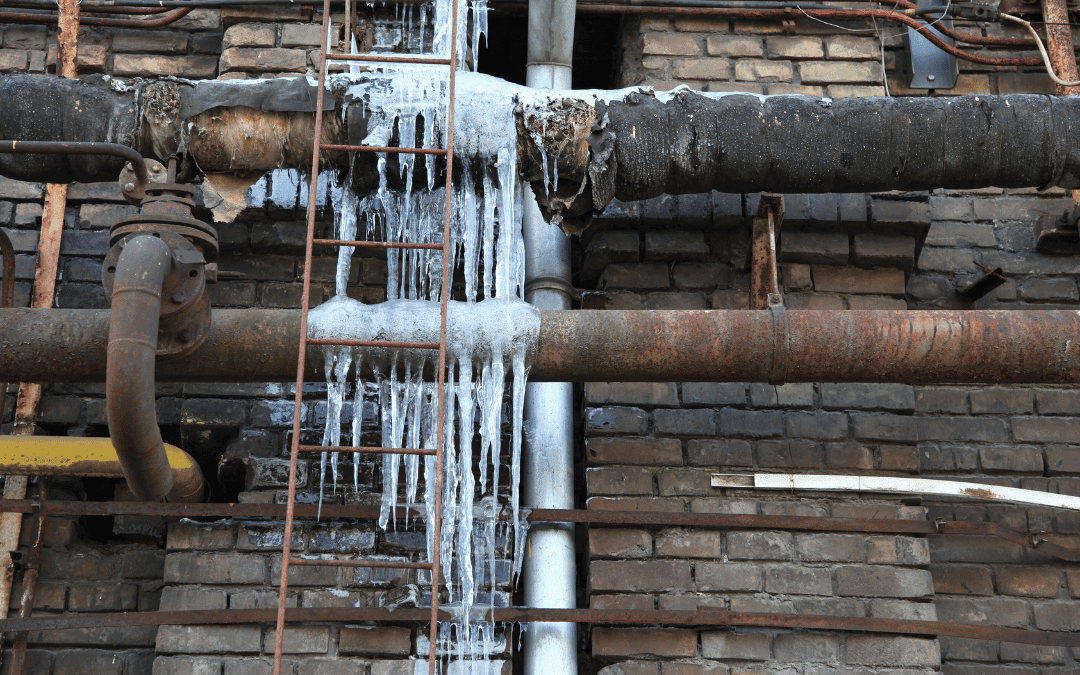
Winter incidents rarely arrive politely. They show up during weekends, after-hours, and in the middle of “unrelated issues” that suddenly become emergencies. Facility teams don’t just need repairs, they need continuity. The following snapshots highlight the kind of real-world winter disruptions commercial sites face, and what a disciplined response looks like when the stakes are high.
Holy Family Manor – A Saturday Call That Turned Into a Sprinkler Emergency
Holy Family Manor scheduled a Saturday job. While on-site for an unrelated issue, the situation escalated fast – a sprinkler line burst.
In those moments, the priority isn’t just plumbing, it’s life safety and incident coordination. The team helped get the fire department on-site and moved quickly to support stabilization and next steps so the facility team could regain control of the situation.
Why this matters – sprinkler line failures are not “regular downtime.” They trigger safety protocols, urgency, and liability. What facility teams need is a partner who can respond calmly and coordinate the right resources immediately.
Frozen Pipes – When One Weekend Becomes Three
Some winter events aren’t one-and-done. They cascade.
During a frozen pipe situation, the response required more than a single crew and a single visit. Over the course of two additional weekends, Agentis had to assemble two crews to keep up with the scope and restore reliability.
Why this matters – winter failures tend to multiply, especially when cold persists or buildings have vulnerable zones. Facilities need a provider who can scale staffing and maintain execution even when the incident stretches across multiple weekends.
Airgas – Sewage Blockage and Operational Risk
At Airgas, a sewage blockage created a critical operational issue. These situations escalate quickly, not only because of disruption, but because of sanitation, safety, and business continuity.
The focus in sewer emergencies is always the same – restore function, prevent escalation, and reduce downtime.
Why this matters – facility teams don’t measure success by “we showed up.” They measure it by how fast operations return to normal without secondary problems.
Landfill Project – 1,000 Feet of Jetting Under a Highway
Not every “winter readiness” story is a freeze event. Some are about infrastructure that cannot fail, even when access is difficult.
In a landfill environment, the team completed approximately 1,000 feet of jetting under a highway, a scope that requires planning, coordination, and the right equipment and expertise to execute safely.
Why this matters – projects like this are where reliability is earned. Limited access, high consequence-of-failure, and complex site conditions demand disciplined execution, not improvisation.
The facility takeaway – what good response actually looks like
Across all four situations, the pattern is consistent. Strong winter response depends on:
- Readiness for escalation (the “unrelated issue” that becomes an emergency)
- Coordination with stakeholders (including fire department involvement when required)
- Crew scalability during prolonged winter incidents
- Clear focus on restoring operations, not just addressing symptoms
- Execution discipline in complex environments and access constraints
If your team needs support improving winter readiness, emergency response coordination, or operational continuity, Agentis can help you build a plan that reduces surprises when the forecast turns.