 (610) 510-7825
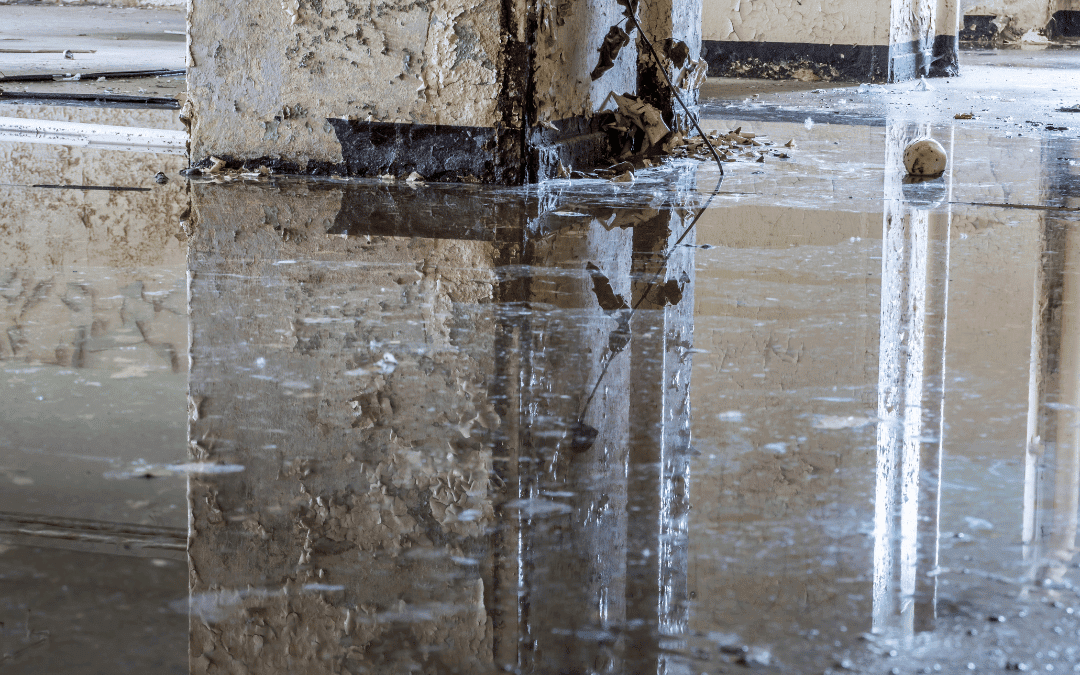
When the water stops, the risk doesn’t
In commercial facilities, water damage incidents rarely end when the leak is contained. The next phase, documentation, compliance, and insurance coordination, is where many teams lose time and money if the record is incomplete or the response looks disorganized. The goal is not bureaucracy. It is to create a clean, defensible timeline that answers three questions: what happened, what was done to prevent further damage, and what back to normal actually means.
Stabilize safely and document early
Start with safety and stabilization. If water is near electrical systems, life safety systems, or critical equipment, treat the event as an operational incident rather than a routine maintenance task. Shut off the source when safe, address electrical risk where necessary, and begin mitigation to prevent the damage from spreading. If the incident involves a fire protection component such as a sprinkler line or fire pump room, document the situation carefully and record any coordination steps, including who was contacted and when, because life-safety impacts can introduce additional compliance considerations.
Build a clear incident timeline
As soon as conditions allow, document the scene before cleanup changes it. Capture wide photos that establish context and close-ups that show source, damage, and affected materials. Build a simple incident timeline that includes when the issue was discovered, who discovered it, the areas and systems affected, when the source was isolated, who was notified, and when mitigation began. Even a brief, well-structured timeline makes insurance follow-up smoother and reduces disputes later.
Track costs, actions, and materials
Track costs and actions as you go. Maintain a running log of emergency labor, equipment rentals, materials used, and temporary protection measures, along with receipts and vendor invoices. When feasible and safe, retain damaged materials for inspection, or at least document them before disposal, so the cause and extent are clear if questions arise.
Keep a mitigation log that proves progress
Mitigation records are often the difference between a clean claim and a prolonged back-and-forth. Drying and restoration should be documented as a process, not just an outcome. A lightweight mitigation log that notes affected areas, equipment placement, environmental readings, moisture checks where possible, and the criteria used to determine completion creates a verifiable story of progress and supports reasonable mitigation.
Coordinate with insurance to avoid friction
For insurance coordination, notify the carrier early and follow their instructions. One common source of friction is moving into permanent repairs before the event is fully documented or inspected. In general, mitigation should proceed quickly to stop ongoing damage, while permanent repairs should be coordinated so documentation and approvals are not compromised. Clear communication and an organized incident package reduce delays and help avoid disputes about scope.
Closeout package
A strong closeout package typically includes the incident timeline, a timestamped photo folder, mitigation notes, invoices and receipts, and a brief summary of communications with stakeholders. Water damage is stressful because it interrupts operations, but the best way to prevent the incident from turning into a long-term administrative mess is simple: mitigate fast, document cleanly, communicate early, and keep a record that makes sense months later.
Note: This article is informational and not legal or insurance advice. Always follow your facility’s policies and your insurer’s specific claim instructions.