 (610) 510-7825
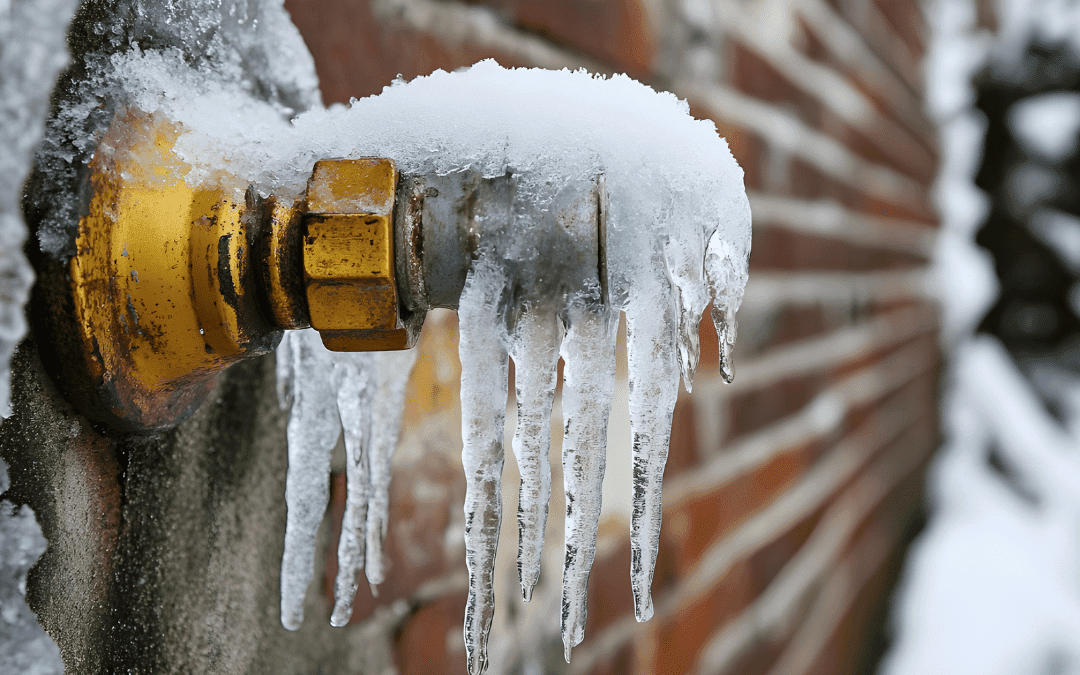
Freeze events don’t “happen.” They build.
Freeze events rarely arrive as a single moment. They build through predictable weaknesses: drafty zones, inconsistent heat, exposed runs of piping, and after-hours gaps where the plan is essentially “call someone and hope.” The goal of winter readiness is straightforward: prevent failures where possible and limit damage quickly when prevention is not enough.
Pre-freeze readiness
Start before the cold arrives by walking the property with a freeze-risk lens. Pay close attention to exterior walls, loading docks, stairwells, vestibules, ceiling spaces near roof penetrations, and any vacant or low-occupancy suites. These are the spaces where temperature swings and airflow changes tend to create the first failures. As you map these areas, verify that heating performance is actually protecting the piping, not just the occupied spaces. Setpoints, setbacks, and overnight scheduling matter more than most teams realize during a prolonged cold stretch.
Shutoffs and access planning
The most common operational failure during a freeze event is not the pipe itself. It is the inability to isolate the issue quickly. Before winter, confirm shutoff locations, label valves, and verify access procedures. A simple one-page shutoff map stored where after-hours staff can find it will do more to reduce loss severity than most winter tips checklists. Make sure at least two people can execute the shutoff plan without guessing or waiting for a specific individual to arrive.
Protect high-consequence systems
Where vulnerability is known and the consequence of failure is high, protect piping based on priority. Fire protection areas, critical utility rooms, and high-occupancy domestic branches should be treated as cannot-fail zones. Depending on the building, protection may involve improving insulation and draft control or using active freeze protection such as heat tracing. Whatever the method, it should be treated as a managed system with clear oversight, not a set-and-forget assumption.
48–72 hour freeze forecast actions
When a freeze is forecasted, reduce variability and increase monitoring. Adjust setpoints in vulnerable areas, verify that vacant suites maintain minimum heat, and look for small leaks or drainage issues that can escalate under freezing conditions. A short readiness sweep can catch early signals that prevent a weekend emergency. If tenants or occupants are part of the building ecosystem, a brief communication asking them to report cold zones or water issues early can reduce preventable failures.
During an incident
During a freeze incident, the priority is stabilization. Isolate the water source safely and treat any proximity to electrical systems as a safety incident. If conditions allow, document the scene with photos or video before heavy disturbance so the incident record is clear later for insurance and compliance. Temporary containment measures buy time, but they are not resolution. Once the immediate risk is controlled, identify the root cause and implement a corrective action that reduces the chance of recurrence.
After-hours failures
After-hours failures are rarely harder technically. They are harder operationally. A dependable after-hours plan includes confirmed vendor response capability, clear access procedures, defined authorization for emergency work, and a communication cadence that keeps stakeholders informed. When those pieces are in place, incidents shrink instead of compounding across multiple weekends.
Post-event learnings
After the event, document what failed and why, update the freeze-risk map, refine shutoff access procedures, and schedule proactive fixes before the next cold front. Freeze events are painful, but they also provide data. The facilities that come through winter cleanly are the ones that learn once and prevent twice.
If you want help building a freeze readiness plan, mapping shutoffs, or strengthening after-hours response workflows, Agentis can support commercial properties with disciplined emergency response and winter risk prevention.