 (610) 510-7825
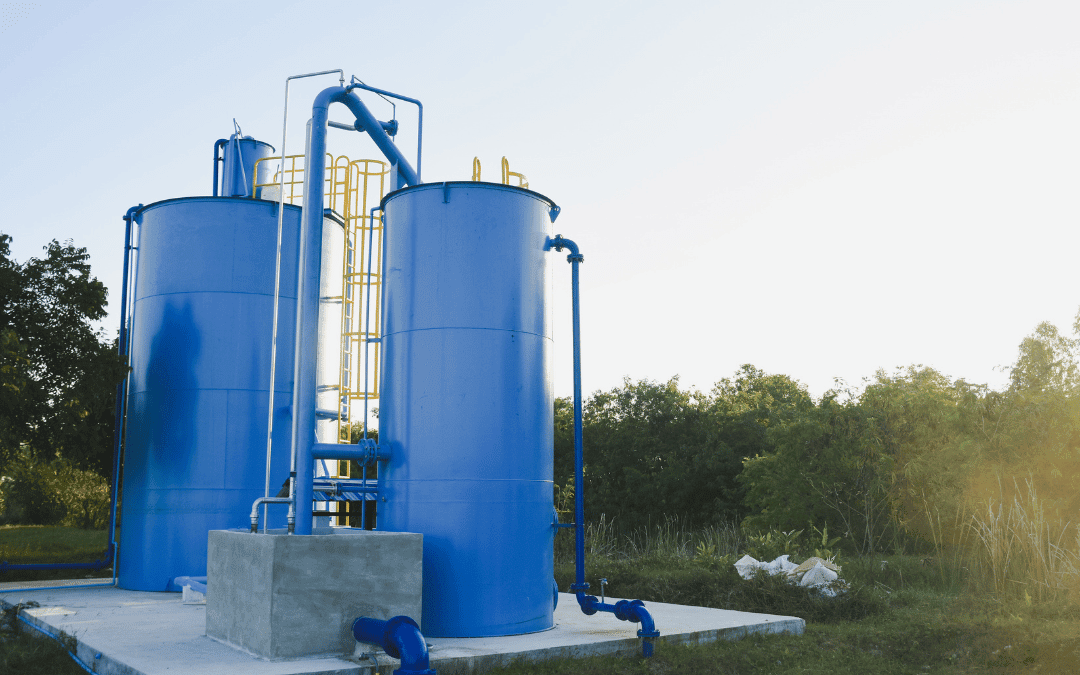
If your water heaters are losing efficiency, fixtures are crusting up faster than they should, or you are seeing repeated valve and appliance issues, you may not have a “plumbing problem.” You may have a water quality problem.
In commercial buildings, water quality impacts everything from hot water recovery time to equipment lifespan and maintenance costs. Scale, corrosion, and sediment do not just create nuisance issues. They quietly increase energy usage, shorten equipment life, and raise the odds of unexpected failures.
This guide explains what facility managers should know about commercial water treatment, how scale forms, what treatment options exist, and how to evaluate a provider.
What is scale and why is it such a big deal?
Scale is mineral buildup that forms when dissolved minerals in water, typically calcium and magnesium, deposit on surfaces. In commercial systems, scale commonly builds up on:
- Water heater tanks and heat exchangers
- Heating elements and burners
- Valves, aerators, and mixing valves
- Pipe interiors, especially in hot water lines
- Dishwasher and laundry equipment
- Ice machines and beverage equipment
Scale acts like insulation. In water heaters, that means the system has to work harder to heat the same amount of water. Over time, the cost shows up as:
- Reduced efficiency and higher energy bills
- Longer recovery times during peak demand
- Premature equipment failure
- More frequent maintenance calls
- Increased risk of downtime and tenant complaints
Corrosion and sediment: the other water quality threats
Scale gets the spotlight, but corrosion and sediment are just as important.
Corrosion
Corrosion can occur when water chemistry is aggressive to metal components, leading to:
- Leaks
- Pinholes in piping
- Failing valves and fittings
- Rust discoloration at fixtures
Sediment
Sediment can include sand, silt, rust particles, or other debris that causes:
- Clogged aerators and valves
- Wear on pumps and fixtures
- Reduced flow and pressure issues
- Equipment performance decline
Water treatment decisions should consider all three: scale, corrosion, and sediment.
How water quality impacts commercial water heaters
Commercial water heaters are often the first place facility teams notice water quality issues because they operate hot, under pressure, and with constant demand.
Water quality problems may show up as:
- Inconsistent hot water temperature
- Reduced hot water volume during peak use
- Longer recovery times
- Rumbling or popping sounds (often sediment or scale)
- Increased service calls for elements, burners, or safety components
- A noticeable rise in utility costs
If your building depends on reliable hot water, commercial water treatment is not “nice to have.” It is a long-term reliability strategy.
Common commercial water treatment options
The right solution depends on your water profile, building needs, and equipment. Here are common approaches in commercial settings.
Filtration
Filters remove sediment and particulates that cause wear and clogs. Filtration is often used as a first step to protect equipment downstream.
Water softening
Softening reduces hardness minerals that cause scale. For many facilities with hard water, this is the most direct way to reduce scale buildup in hot water systems and appliances.
Conditioning and specialty treatment
Some systems use conditioning methods designed to reduce scaling behavior or protect equipment in specific applications. These can be useful depending on water chemistry, system layout, and compliance needs.
Corrosion control solutions
Certain commercial systems require targeted solutions to manage corrosion risk, especially in older buildings or where specific metals are present.
A professional evaluation usually starts with water testing and a review of building demand, then recommends a system that matches your actual risk.
Practical checklist: how to evaluate a commercial water treatment provider
You do not need to become a chemist to make a good decision. You just need the right questions.
Use this checklist when evaluating water treatment services or providers:
Commercial Water Treatment Evaluation Checklist
Water profile and testing
- Do they test water hardness, sediment, and other relevant indicators?
- Do they explain results in plain language and tie them to your equipment risk?
System sizing and design
- Do they evaluate building demand, flow rates, and peak usage?
- Do they recommend sizing based on real usage, not generic assumptions?
Equipment protection strategy
- Do they explain how the solution protects water heaters, fixtures, and critical equipment?
- Do they address both scale and sediment, not just one issue?
Maintenance and service plan
- What routine maintenance is required?
- How often do components need replacement or monitoring?
- Will you receive service records for facility documentation?
ROI and expectations
- Do they explain what improvements you should realistically expect?
- Do they provide a timeline for performance changes and maintenance reduction?
Compliance considerations
- Do they understand local requirements and commercial operations?
- Can they support documentation for inspections or property management records?
A good provider will be direct about what will help, what will not, and what you should monitor.
A facility manager’s approach: reduce downtime and extend equipment life
From an asset management perspective, water treatment is less about “nice water” and more about:
- Extending water heater and appliance lifespan
- Reducing emergency calls
- Improving operational consistency
- Protecting tenant experience
- Lowering energy costs over time
If you manage multiple locations or high-use facilities, even a small reduction in maintenance frequency adds up fast.
Why Agentis Plumbing recommends water quality planning
Agentis Plumbing works with commercial facilities in Lehigh Valley, PA where equipment uptime matters. Water quality issues often show up as repeated plumbing calls, “mystery” performance decline, or shortened water heater life.
If you are seeing patterns that suggest scale, corrosion, or sediment issues, our team can help evaluate conditions and recommend practical steps to protect your building systems.
Schedule a commercial water quality assessment
If your facility is dealing with scale buildup, rising maintenance costs, or water heater performance issues, contact Agentis Plumbing to discuss commercial water treatment options.
A targeted approach can reduce future repairs, extend equipment life, and help your building run more predictably.