 (610) 510-7825
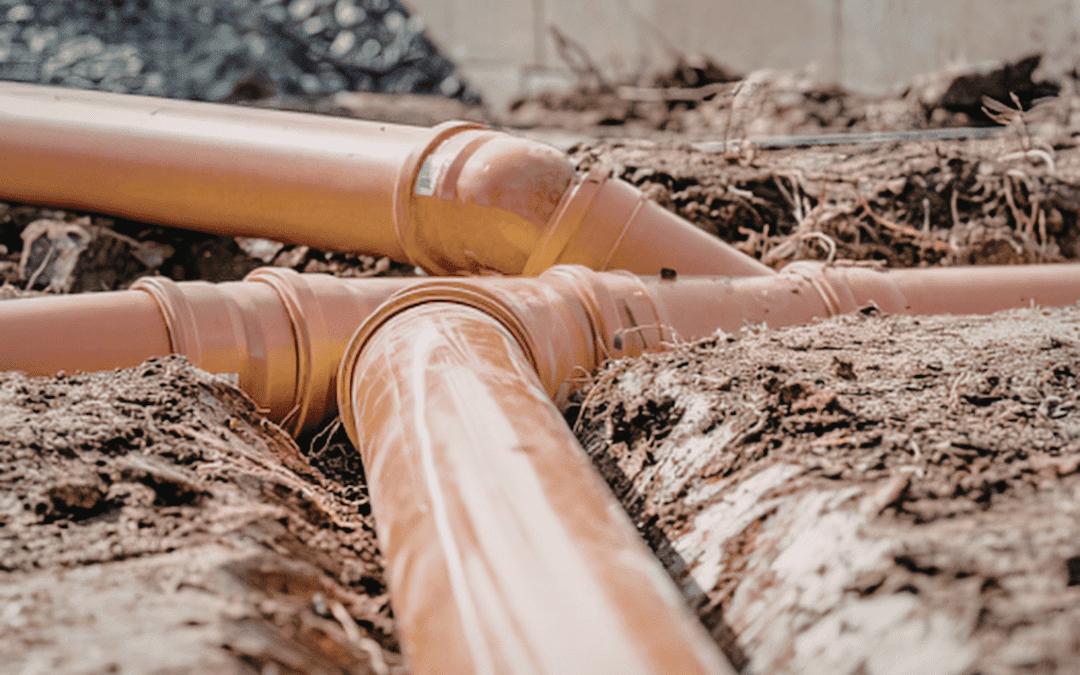
When a commercial sewer or drain line is damaged, the traditional approach often means excavation, demolition, and major disruption. For property managers and facility teams, that can be worse than the plumbing issue itself.
Commercial pipe lining is a trenchless repair method that can restore pipe integrity with significantly less disruption than full replacement. It is not the right solution for every situation, but when it fits, it can save time, reduce downtime, and protect finished spaces.
Below is a clear overview of how pipe lining works, when it is a good fit, expected timelines, and how to think about ROI compared to replacement.
What is commercial pipe lining?
Commercial pipe lining is a trenchless method of repairing a damaged pipe from the inside. Instead of digging up long sections of pipe, lining creates a new durable interior surface inside the existing pipe.
Many lining methods involve:
- Cleaning and preparing the existing pipe
- Installing a liner (often resin-saturated) into the pipe
- Curing the liner so it hardens and forms a “pipe within a pipe”
- Restoring flow and integrity with minimal surface disruption
For commercial properties, the value is often in what you avoid: jackhammering floors, tearing out landscaping, or shutting down operations for extended periods.
When is commercial pipe lining a good fit?
Pipe lining works best when the pipe has structural issues but is still generally intact and accessible.
Common good-fit scenarios include:
- Cracks and minor breaks
- Root intrusion through joints
- Corrosion or deterioration in older pipes
- Leaking joints
- Pipes under slabs or finished areas where excavation would be disruptive
- Properties where minimizing tenant disruption is a priority
A camera inspection is typically needed first to confirm whether lining is feasible.
When lining may NOT be the right choice
A trustworthy contractor should also tell you when lining is not appropriate.
Pipe lining may not be a fit if:
- The pipe is severely collapsed
- The line has major misalignment or offsets
- The pipe is too deformed to accept a liner
- The diameter loss would create unacceptable flow restriction
- There are access limitations that make proper installation impossible
In these cases, targeted repair or replacement may be the right route.
How pipe lining compares to full replacement
Here is the practical comparison facility managers care about.
Disruption
- Pipe lining: minimal digging, often no demolition of floors or walls
- Replacement: excavation, demolition, restoration work, larger project footprint
Time
- Pipe lining: often faster, especially when pipes are under slabs or finished areas
- Replacement: timelines expand quickly due to access, restoration, and coordination
Cost structure
- Pipe lining: costs are tied to lining scope and prep work, often less restoration expense
- Replacement: costs include excavation, removal, new pipe, restoration, and downtime impact
Risk
- Pipe lining: reduces risk to finished spaces and landscaping
- Replacement: higher site impact, more “unknowns” once digging starts
The right choice depends on pipe condition and business constraints, not just the upfront estimate.
What is the timeline for commercial pipe lining?
Timelines depend on pipe length, diameter, accessibility, and condition, but a typical project includes:
- Camera inspection and assessment
- Cleaning and prep, often including drain cleaning or root removal
- Liner installation
- Curing (method varies)
- Final inspection to confirm results
For facilities, scheduling is often planned around low-usage windows to reduce operational impact.
ROI: why lining often makes sense for commercial operations
The ROI conversation is not just “cheaper vs more expensive.” It is about total disruption cost.
Pipe lining can reduce:
- Tenant disruption and complaints
- Lost revenue from shutdowns
- Restoration costs for floors, walls, and landscaping
- Project management complexity
If a repair method keeps your building operating normally, that value can exceed the difference in contractor bids.
How to choose the right contractor for trenchless work
Commercial trenchless work requires correct diagnosis and correct installation. Look for:
- Proof of inspection findings (camera footage)
- Clear explanation of why lining is recommended
- Transparent scope of work and what is included
- Realistic timelines and access requirements
- A plan to minimize disruption and maintain safety on site
If the pitch sounds like “lining fixes everything,” run.
Why businesses call Agentis Plumbing
Agentis Plumbing supports commercial properties across Lehigh Valley, PA with repair strategies focused on uptime and clear planning. If your facility is facing recurring sewer issues, root intrusion, or pipe deterioration, our team can evaluate whether trenchless pipe lining is a fit and guide you through the best next step.
Talk to Agentis Plumbing about commercial pipe lining
If you are dealing with a damaged pipe but want to avoid major excavation and disruption, contact Agentis Plumbing to discuss commercial pipe lining.
We can inspect the line, explain the options clearly, and help you choose a solution that minimizes downtime and protects your property.