 (610) 510-7825
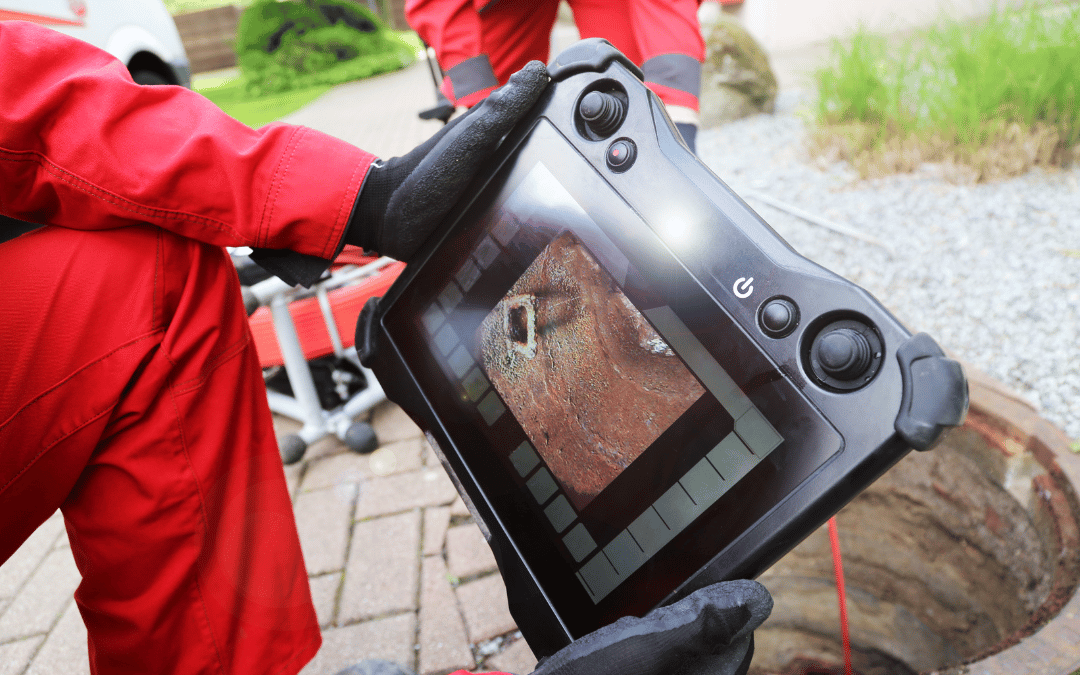
Most commercial plumbing emergencies do not come out of nowhere. A backup, overflow, or sudden line collapse usually has a history: months of buildup, small breaks that grow, roots slowly pushing into joints, or “minor” slow drains that keep returning.
A pipe video inspection camera helps you see what is really going on inside your pipes so you can fix the real problem before it turns into downtime, property damage, or an after-hours emergency call.
Below is a clear explanation of how plumbing video inspections work, what they catch, and how the results guide decisions like drain cleaning, repairs, or pipe lining with minimal disruption.
What is a pipe video inspection camera?
A pipe video inspection camera is a specialized waterproof camera attached to a flexible cable. A plumber feeds it into your drain or sewer line to view the inside of the pipe in real time.
Depending on the situation, the system may also include:
- A transmitter and locator to identify where the camera head is underground or behind walls
- A monitor for live viewing and recording
- Different camera heads and cable lengths based on pipe size and access points
In simple terms: it lets you stop guessing and start making decisions based on what is actually happening inside your line.
Why businesses use plumbing video camera inspections
When a drain keeps clogging, there is almost always a reason. Common “quick fixes” might restore flow for a week or two, but they do not address underlying damage or recurring obstructions.
A plumbing video camera inspection is one of the most efficient ways to:
- Confirm what is causing the problem
- Pinpoint the location of the issue
- Avoid unnecessary demolition or exploratory digging
- Choose the right fix the first time
This is especially valuable for commercial properties where disruptions cost money and affect customers, tenants, or operations.
What a video camera inspection can find inside your pipes
This is where a pipe inspection camera provides real value. It can reveal issues that are impossible to confirm from the outside, including:
Root intrusion
Tree roots search for moisture and can enter through small cracks or joints, then expand and trap debris. This often causes recurring clogs and backups.
Pipe cracks, offsets, and separations
Pipes can shift over time. An offset joint or separation can catch solids and create chronic blockage points. Camera inspection can show how severe the misalignment is.
Collapsed or bellied pipe sections
A collapse is obvious once you see it. A “belly” (a low spot where water and solids settle) is more subtle but can cause repeated issues. Either one can lead to frequent backups if not addressed.
Grease, scale, and heavy buildup
In restaurants and many commercial sites, grease and solids build up over time. In older lines, mineral scale can narrow the pipe dramatically. A camera shows how restricted the line really is.
Foreign objects or construction debris
Wipes, rags, utensils, and leftover construction debris can lodge in pipes. A camera helps identify what it is and where it is stuck.
Corrosion and deterioration in older systems
For aging pipes, camera footage can show corrosion, rough interior surfaces, and weak sections that may be close to failure.
When should you schedule a plumbing video camera inspection?
Video inspections are useful both reactively and proactively. Consider scheduling one if you are dealing with:
- Frequent clogs or slow drains in the same area
- Recurring backups, especially during busy hours
- Foul odors that keep returning
- Gurgling sounds or bubbling in drains
- A recent blockage that was cleared but you want to confirm the cause
- Purchasing a commercial property or taking over facility management
- Planning renovations and needing to understand pipe condition first
If your goal is to prevent disruptions, a video camera inspection is often cheaper than repeated emergency calls.
How video inspections guide the right solution
A camera inspection is not the end. It is the tool that helps select the right next step, with minimal disruption.
If the camera shows grease or sludge buildup
The right answer is usually professional drain cleaning, often including:
- Mechanical cleaning based on pipe type
- Hydro jetting when appropriate for thorough removal
The benefit: you restore full diameter flow and reduce recurrence.
If the camera shows root intrusion
Depending on severity, the plan may include:
- Cutting and removing roots
- Cleaning the line
- Evaluating long-term options like repair, lining, or replacement if roots keep returning
The benefit: fewer recurring emergencies and less risk of major damage.
If the camera shows cracks, separations, or a failing line
This is where inspection can save serious money. You can determine whether you need:
- A targeted repair in one section
- Pipe lining for a trenchless internal repair
- Full replacement if the pipe is beyond saving
The benefit: you avoid guessing and avoid digging up the wrong section.
If the camera shows a belly or sagging pipe
A belly may continue to cause recurring issues even after cleaning. In some cases, it requires:
- Regrading or replacing a section
- Adjusting the line to correct slope
The benefit: you solve the root cause instead of living with repeat clogs.
Minimal disruption matters: why inspections help facility managers
A big advantage of plumbing video camera inspections is that they help you plan service on your schedule.
Instead of waiting for a failure:
- You can schedule work during off-hours
- You can coordinate with tenants or operations
- You can plan budget and approvals with real evidence
- You can document issues for insurance or property ownership discussions
For commercial sites, that is the difference between a controlled maintenance event and an expensive disruption.
What to expect during a pipe video inspection
A typical inspection is straightforward:
- A plumber identifies the best access point (cleanout, drain opening, or other entry)
- The camera is fed through the line while the technician views and records findings
- The exact location of major issues can be located if needed
- You receive clear recommendations based on what the camera shows
A good inspection should leave you with answers, not confusion.
What makes a trustworthy inspection and recommendation
If you are using camera inspection results to decide between cleaning, lining, or replacement, trust matters. Here is what to look for:
- Experience: a team that has seen hundreds of similar issues and can recognize patterns fast
- Expertise: licensed commercial plumbers who understand code, pipe materials, and commercial demands
- Authoritativeness: clear documentation, professional equipment, and recommendations grounded in the footage
- Trustworthiness: honest options, transparent pricing, and no pressure to upsell repairs you do not need
A video inspection should reduce risk and uncertainty, not create more of it.
Why businesses choose Agentis Plumbing for video camera inspections
Agentis Plumbing supports commercial facilities across Lehigh Valley, PA with reliable diagnostics and practical repair planning. If you are dealing with recurring drain issues or want to prevent a costly emergency, our team uses professional-grade pipe inspection camera systems to find the real cause fast.
From there, we can guide you toward the right next step, whether that is drain cleaning, targeted repair, or pipe lining, always with a focus on minimizing disruption to your operations.
Schedule a plumbing video camera inspection
If your facility has recurring clogs, slow drains, or you want to confirm pipe condition before a problem escalates, schedule a plumbing video camera inspection with Agentis Plumbing.
We will help you understand what is happening inside your lines and create a plan that protects your building, your budget, and your day-to-day operations.