 (610) 510-7825
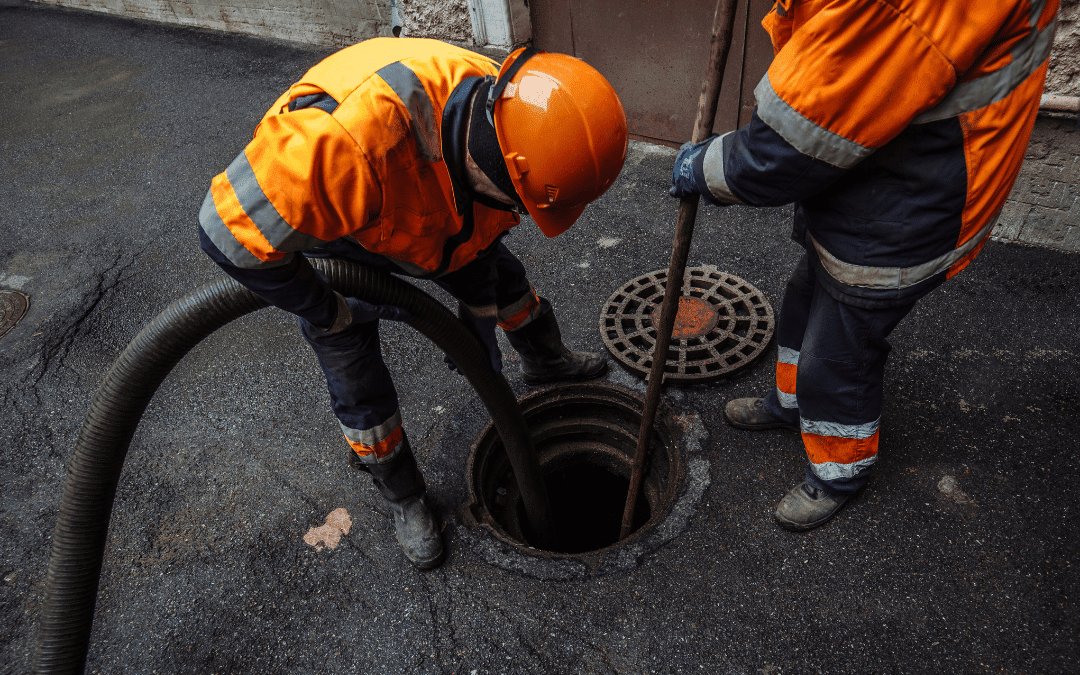
Spring is great for business. It is also a great season for plumbing problems.
After winter, commercial drain and sewer lines often see a mix of issues: heavier flow from seasonal demand, post-freeze pipe stress, grease buildup that thickened over cold months, and debris that ends up where it does not belong. The result is predictable: slow drains, odors, recurring clogs, and in the worst cases, backups that force downtime.
A commercial drain cleaning service is one of the most effective ways to prevent spring disruptions, especially for restaurants and high-use facilities. Below is a practical guide to warning signs, what professional drain cleaning actually includes, and how to set a preventive schedule that keeps operations running.
Why spring is a high-risk season for drain backups
A lot happens to your plumbing system between winter and spring:
-
Freeze-thaw cycles can worsen small pipe cracks and joint shifts
-
Grease and solids that built up over winter start moving as flows increase
-
Seasonal rain can affect sewer flow and expose weak points
-
Restaurants often see higher volume and more dishwashing and prep activity
-
Facilities may restart exterior systems that were dormant in winter
Even if your drains “made it through winter,” spring is often when the backlog of problems finally shows up.
Early warning signs you should not ignore
Most spring backups announce themselves first. If you catch the warning signs early, you can usually avoid an emergency.
Common red flags in commercial properties include:
-
Drains that are noticeably slower than usual
-
Gurgling sounds or bubbling at sinks and floor drains
-
Odors that return even after cleaning the area
-
Recurring clogs in the same sinks or restrooms
-
Water backing up during peak usage periods
-
Multiple fixtures draining slowly at the same time
-
Employees mentioning “it is always kind of slow” (that one is a classic)
If your team is plunging, snaking, or using store-bought chemicals repeatedly, your drains are not “fine.” They are giving you a countdown timer.
What professional commercial drain cleaning includes
Commercial drain cleaning should not be a quick in-and-out “we cleared it” situation. The right approach depends on the cause, pipe condition, and how the building is used.
A professional service typically includes:
Drain line evaluation and targeted diagnostics
A technician starts by identifying:
-
Which lines are affected
-
Whether the issue is localized or system-wide
-
What conditions are most likely (grease, scale, roots, debris, damaged pipe)
If clogs are recurring, a video inspection may be recommended to confirm the cause instead of guessing.
Mechanical cleaning for buildup and debris
For certain lines, mechanical cleaning tools remove buildup safely based on pipe type and access points.
Hydro jetting when appropriate
Hydro jetting uses high-pressure water to scour the interior of pipes and remove:
-
Grease and sludge
-
Food solids
-
Soap buildup
-
Mineral scale
-
Debris caught on rough pipe walls
Jetting is especially useful in restaurants and high-use facilities, but it should be done by pros who understand line condition. On very old or compromised pipes, the right technician will confirm it is safe before jetting aggressively.
Preventive recommendations
The best commercial drain cleaning service ends with a plan:
-
What caused the problem
-
What was done
-
What to watch for
-
What schedule makes sense going forward
That is how you reduce surprise backups instead of paying for the same problem again and again.
Restaurants: why grease makes spring worse
Restaurants are uniquely vulnerable because grease does not just clog one spot. It coats the inside of drain lines like sticky varnish, catches solids, and slowly tightens the pipe diameter until flow becomes unpredictable.
Spring volume increase can push that system over the edge, especially when:
-
Frying volume increases
-
Dishwashing ramps up
-
Staff changes lead to inconsistent disposal habits
If you are also scheduling grease trap service, pairing it with drain maintenance is a smart move. A clean trap does not help much if the downstream lines are already coated.
Facilities: common post-winter trouble areas
For commercial facilities, spring drain issues often show up in:
-
Restrooms with heavier traffic after seasonal staffing changes
-
Floor drains in mechanical rooms and maintenance areas
-
Breakroom sinks that get abused with food and coffee grounds
-
Janitorial sinks and mop basins
-
Utility lines that see intermittent use, where buildup hardens between flows
Facilities often have one extra problem: people assume “someone else handles it.” Preventive schedules stop that game.
A simple preventive maintenance schedule that actually works
There is no universal frequency, but you can build a smart schedule using three factors:
-
building type
-
usage volume
-
history of clogs or backups
Here are realistic starting points many commercial properties use:
High volume restaurants and kitchens
-
Preventive drain cleaning every 1 to 3 months
-
More often for heavy frying and multi-kitchen operations
Moderate volume restaurants
-
Every 3 to 6 months, with adjustments based on results
Commercial facilities with heavy restroom use
-
Every 6 to 12 months
-
More often if you have recurring trouble zones
Properties with a history of backups
-
Start more frequent, then taper once stability improves
The best schedule is the one based on real conditions, not wishful thinking.
What your staff can do to reduce risk between cleanings
Preventive service works best when daily habits do not sabotage it.
Simple operational habits that help:
-
Keep strainers in sinks, always
-
Scrape plates and dry wipe cookware before washing
-
Do not dump grease or oily sauces into sinks
-
Avoid harsh chemical drain cleaners that can damage plumbing and create safety issues
-
Report slow drains early instead of waiting for a full stop
You do not need perfect behavior. You need consistent basics.
Why businesses choose Agentis Plumbing for commercial drain cleaning
When a drain backup hits, it is not just a plumbing issue. It is a business interruption.
Agentis Plumbing provides commercial drain cleaning services across Lehigh Valley, PA with a focus on prevention and minimal disruption. We help restaurants and facilities identify risk areas, clear lines the right way, and set up maintenance schedules that reduce emergency calls.
Schedule a commercial drain cleaning service before spring problems start
If your drains are slow, odor is returning, or your building has a history of spring backups, now is the time to schedule service.
Contact Agentis Plumbing to plan commercial drain cleaning and prevent costly downtime, flooding, and emergency repairs this spring.