 (610) 510-7825
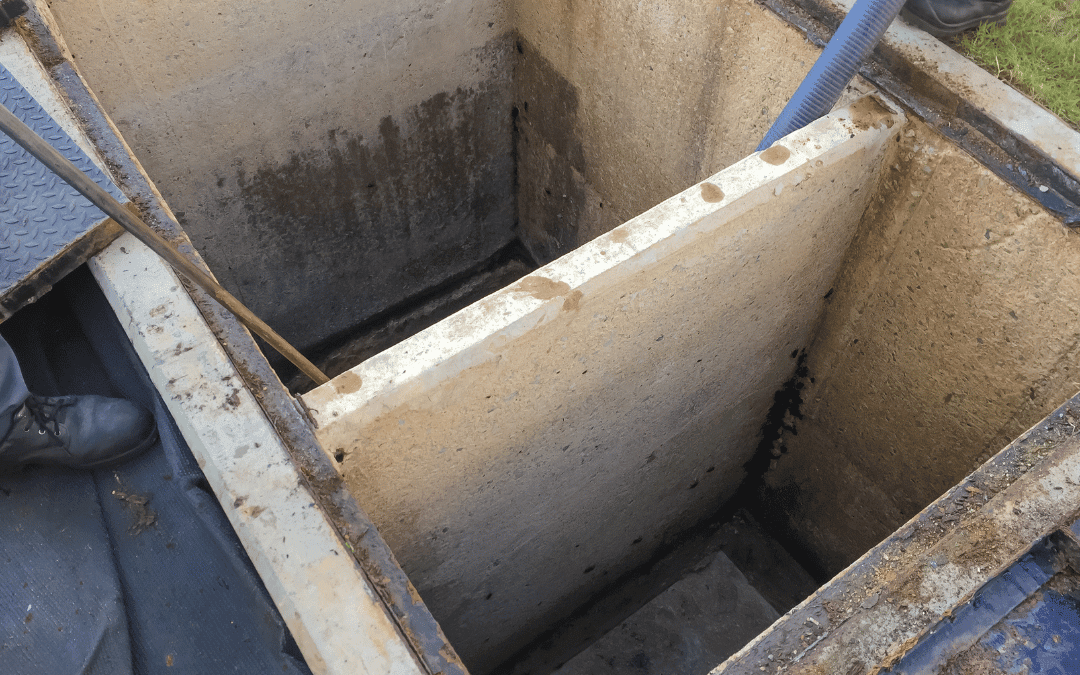
If your restaurant has ever dealt with a slow drain during a rush, a sewage smell in the kitchen, or an unexpected backup, you already know how fast a “small plumbing issue” can turn into a full-blown operational problem.
Grease traps are one of the most important and most ignored pieces of equipment in a commercial kitchen. When they are maintained on schedule, they protect your plumbing system, help prevent odors, and reduce the risk of costly shutdowns. When they are not, the warning signs show up at the worst time.
Here is a practical guide to grease trap cleaning frequency, sizing basics, and compliance best practices, plus an easy weekly and monthly checklist your staff can follow.
What a grease trap actually does
A grease trap, sometimes called a grease interceptor depending on the type, is designed to capture fats, oils, and grease (FOG) before it reaches your drain lines and the sewer system.
FOG might look harmless when it is warm and liquid, but it cools and solidifies inside pipes. Over time, it restricts flow, traps food solids, and can cause:
- Persistent odors
- Slow drains and repeated clogs
- Overflows or backups into sinks and floor drains
- Emergency service calls and downtime
- Potential violations during inspections
A grease trap is basically your first line of defense for keeping kitchen drainage predictable.
Grease trap vs grease interceptor: why it matters
Not all systems are the same, and maintenance needs can vary.
- Grease traps are often smaller units located indoors, commonly under or near sinks.
- Grease interceptors are usually larger tanks, often installed outdoors or in a utility area, designed for higher volume kitchens.
Both need regular service. Larger interceptors might allow longer intervals, but they also hold more FOG and can create bigger problems if neglected.
The best rule of thumb: the 25% rule
A widely used standard in the industry is the 25% rule:
If the combined depth of grease and settled solids reaches about 25% of the total trap capacity, it is time to clean it.
Why this matters:
- As the trap fills, it stops separating grease effectively
- Grease starts passing downstream into your plumbing
- Odors and backups become more likely
- You can fail inspections if the trap is not being maintained
If you do nothing else, track your grease and solids levels so you are not guessing.
How often should restaurants schedule grease trap cleaning?
There is no one schedule that fits every restaurant. Frequency depends on volume, menu, cooking methods, and how the trap is sized.
That said, these ranges are realistic for many commercial kitchens:
Light volume (coffee shops, small cafes, limited cooking)
- Every 6 to 8 weeks is common
- Some locations can stretch longer if FOG is minimal, but you should confirm with inspections and the 25% rule
Moderate volume (most sit-down restaurants)
- Every 4 to 6 weeks is a safe baseline
- More often if your menu is heavy in fried foods, butter, cheese, or fatty meats
High volume (frying-heavy kitchens, busy chains, cafeterias, banquet facilities)
- Every 1 to 2 weeks is common
- Some sites require weekly service during peak season
New restaurant or new trap installation
If you just opened, do not assume you can wait months. The best practice is to inspect early and build your schedule based on real accumulation, especially in the first 60 days.
Grease trap sizing basics: why the right size impacts maintenance
If a trap is undersized, it will fill faster, smell worse, and allow grease to pass into your lines even when you “clean it regularly.”
Sizing is usually based on factors like:
- Number of connected fixtures (sinks, dishwashers, floor drains as applicable)
- Flow rate and peak demand
- Seating capacity and meal volume
- Menu type (fry-heavy menus generate more FOG)
- Local requirements and installation standards
If your staff is cleaning constantly and still dealing with odors or slow drainage, your trap may be too small, installed incorrectly, or connected to the wrong fixtures.
A professional assessment can confirm whether you are fighting a maintenance issue or a system design issue.
Local compliance basics: avoid surprises during inspections
Grease trap compliance requirements vary by municipality and can involve health departments, local plumbing codes, and wastewater authorities. In general, inspectors and regulators care about two things:
- That you are maintaining the grease trap on an appropriate schedule
- That waste is handled and disposed of properly
Best practices that keep you on solid ground
- Keep service records and manifests from your grease hauler or plumbing contractor
- Document dates of cleaning and measured levels when possible
- Do not dump grease into drains, floor sinks, or mop basins
- Train staff on proper scraping and dry cleanup before washing
- Make sure the trap is accessible and not blocked by storage or equipment
If an inspection happens, organized records can be the difference between a quick pass and a stressful follow-up.
How to prevent odors and backups between cleanings
Even with a good pumping schedule, daily habits matter. Here is what actually helps:
- Dry wipe pans and dishes before washing
- Scrape food solids into the trash, not the sink
- Use sink strainers consistently
- Avoid pouring hot grease down drains even if it seems liquid
- Do not rely on “miracle” chemicals as a replacement for maintenance
Odors usually come from a combination of trapped grease, rotting food solids, and bacteria. Keeping solids out of the system reduces smell and extends the time between emergency problems.
Restaurant grease trap checklist: weekly and monthly
This is a simple internal checklist that helps restaurants stay ahead of issues and supports compliance documentation.
Weekly Grease Trap Checklist
- Check for slow drainage at the 3-sink and prep sinks
- Note any new or stronger odors near drains or the trap lid
- Confirm sink strainers are in place and being used
- Verify staff is scraping plates and dry wiping cookware
- Look for leaks, corrosion, or pooling water around the trap
- Log any issues in a maintenance notebook or shared doc
Monthly Grease Trap Checklist
- Open and visually inspect the trap if safe and accessible
- Estimate grease and solids level, compare to the 25% rule
- Check lid condition, gasket, and fasteners
- Confirm the trap is accessible for servicing
- Review your last cleaning date and schedule the next service
- Confirm you have service records stored where managers can find them
If your team prefers, you can also turn this into a one-page printable for the kitchen manager. It is a good habit, and it makes inspections less stressful.
Signs your grease trap needs service now
If you notice any of the following, it is time to schedule grease trap cleaning services as soon as possible:
- Persistent sewer or rancid odors in the kitchen
- Frequent drain clogs, especially in the same area
- Gurgling sounds, bubbling, or slow sink drainage
- Grease visible in sink basins or floor drains
- Backups during busy periods or after heavy dishwashing
- Staff reporting recurring “mystery” clogs
Waiting rarely makes it cheaper. A clogged line caused by FOG buildup can turn into emergency jetting, repairs, or even downtime.
How Agentis Plumbing helps restaurants stay compliant and operational
Restaurant plumbing needs to be predictable. Agentis Plumbing works with commercial kitchens to reduce surprise backups, protect drain lines, and keep maintenance schedules realistic.
If you are in Lehigh Valley, PA and want a service plan that fits your kitchen volume and helps you stay inspection-ready, our team can help you:
- Evaluate your current trap condition and maintenance frequency
- Identify whether sizing or layout is contributing to problems
- Provide reliable grease trap cleaning and commercial drain support
- Build a simple schedule that reduces odors and emergency calls
Schedule grease trap cleaning for your restaurant
If your restaurant is due for service, or if you are not sure how often you should be scheduling grease trap cleaning, contact Agentis Plumbing. We will help you set a plan that protects your plumbing system, supports compliance, and keeps your kitchen running without interruption.